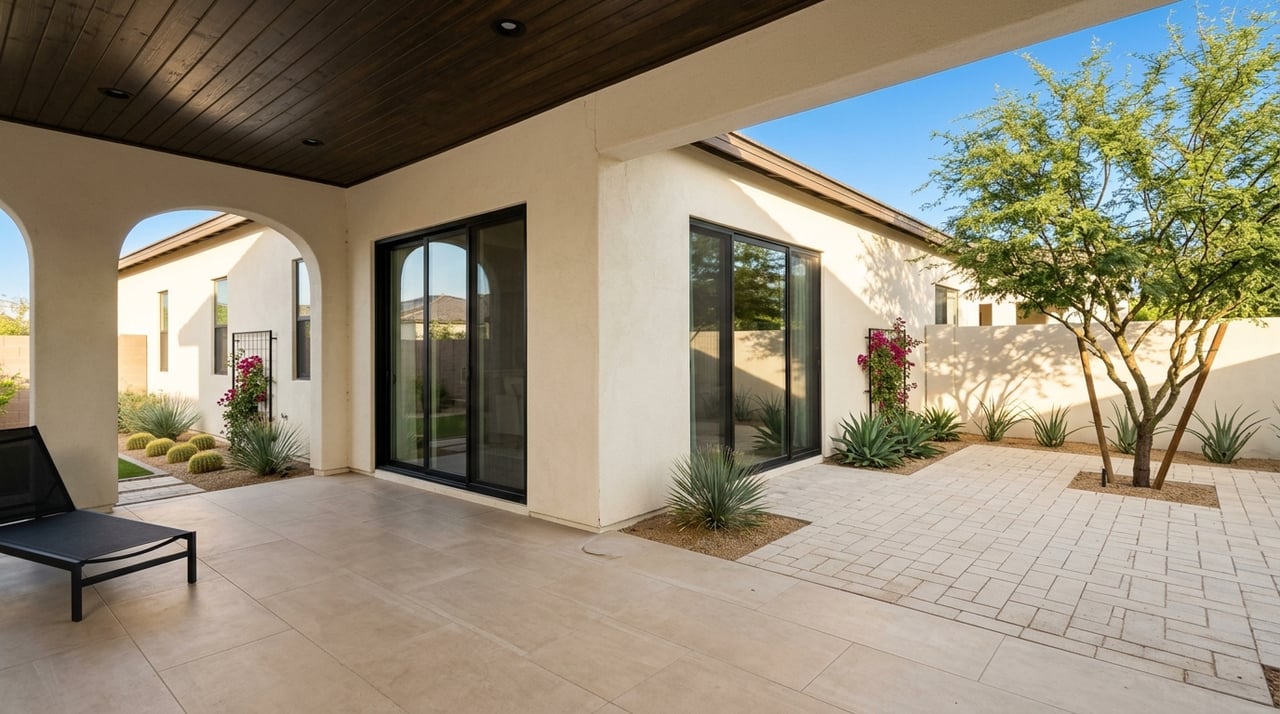
If your home no longer fits the way you live, downsizing can feel less like giving something up and more like creating room for what matters next. Many Mesa homeowners reach a point where extra bedrooms, stairs, and yard work stop feeling useful and start feeling like work. The good news is that a well-planned move can help you simplify daily life, protect your equity, and find a home that supports your next chapter. Let’s look at how to downsize in Mesa with clarity and confidence.
Why Mesa Works for Downsizing
Mesa is a practical place to consider a right-sized move. It is one of the largest cities in the East Valley, with an estimated population of 517,151, and 17.5% of residents are age 65 or older. That means you are far from alone if you are thinking about a home that better matches this stage of life.
Mesa also has a strong base of homeowners, with about 64.4% of occupied homes owner-occupied. For longtime owners who have built equity, that can make downsizing a realistic option rather than just an idea. If you are selling one home and buying another, the local market offers enough activity to create options on both sides of the move.
What Downsizing Really Means
Downsizing does not always mean choosing the smallest home possible. In many cases, it means right-sizing into a home that is easier to live in every day. The goal is less friction, not less comfort.
For many Mesa buyers, that starts with practical features such as single-level living, fewer stairs, and a layout that supports daily routines without wasted space. A smaller lot, patio-home format, or HOA-managed exterior can also reduce the time and energy spent on upkeep.
You may still want room for guests, hobbies, or a home office. That is normal. The key is deciding which spaces you truly use now, instead of paying for square footage that mostly sits empty.
How to Decide How Much Space You Need
A simple way to think about space is to divide your current home into three groups: spaces you use often, spaces you use occasionally, and spaces you rarely use. This can help you see what your next home actually needs to support. It also makes your home search feel more focused and less emotional.
Ask yourself questions like these:
- Do you want all primary living spaces on one level?
- How often do overnight guests visit?
- Do you need a separate office, craft room, or hobby space?
- Would you rather have less storage if it means less maintenance?
- How much outdoor space do you truly want to care for?
For many downsizers in Mesa, the sweet spot is not just fewer square feet. It is a better floor plan, easier circulation, and the right amount of storage without the burden of unused rooms.
Mesa Home Types to Consider
Mesa gives you a few different paths, and each one comes with tradeoffs. The right fit depends on how much maintenance you want, what monthly costs you are comfortable with, and how you want to live day to day.
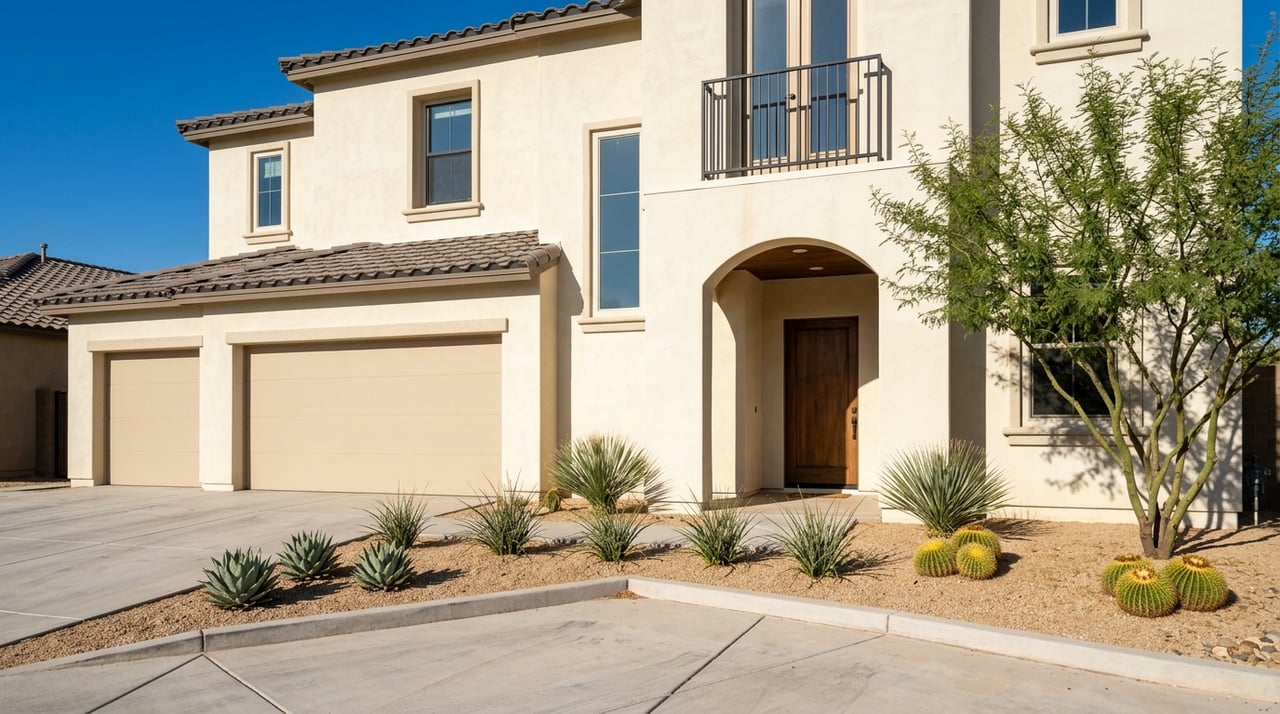
Single-Family Homes
A detached single-family home can still make sense if you want privacy, a larger garage, or more flexible space. In Mesa, Phoenix REALTORS reported a year-to-date April 2026 median sales price of $489,000 for single-family homes. That price point may work well for some downsizers, especially if they are bringing significant equity from a previous sale.
The tradeoff is usually maintenance. You may still be responsible for the roof, yard, exterior, and most repair items. If your goal is a simpler routine, make sure the home truly reduces work instead of just moving you into a newer version of the same responsibilities.
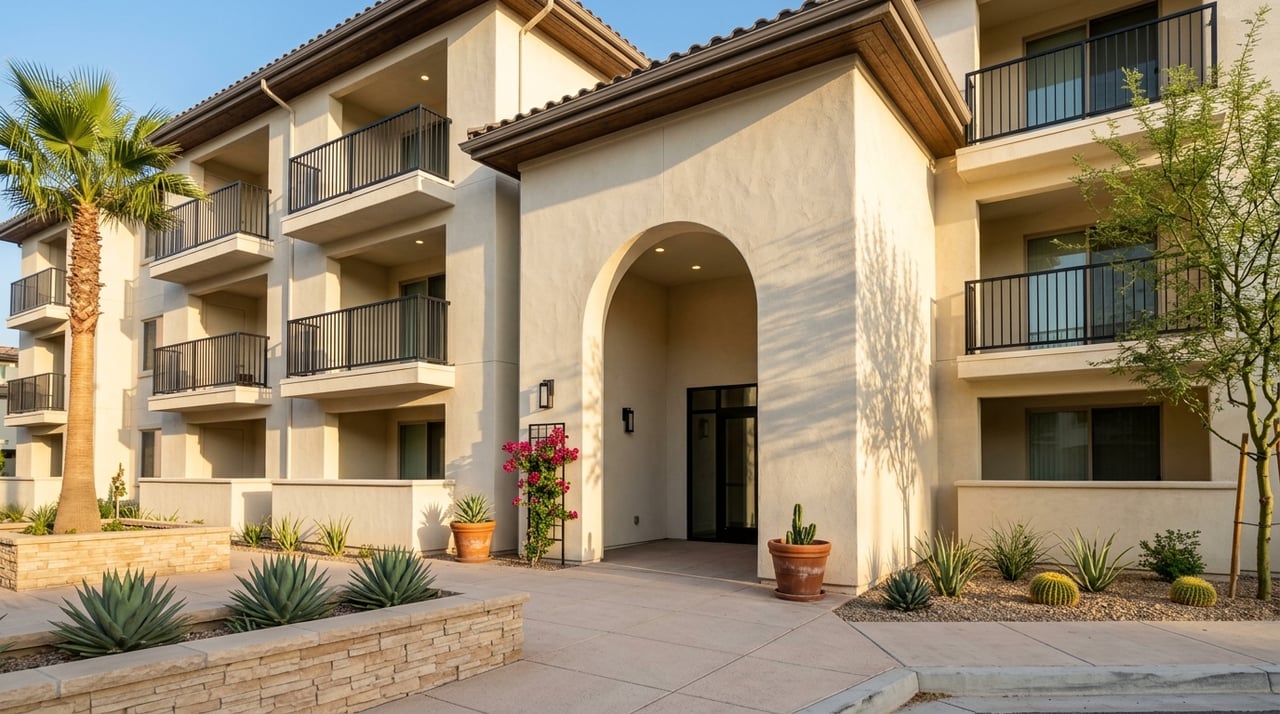
Townhomes and Condos
Townhomes and condos are especially relevant for downsizers in Mesa. Phoenix REALTORS reported a year-to-date April 2026 median sales price of $293,750 for townhomes and condos, which is substantially lower than the single-family segment. That can open the door to keeping more equity available for savings, travel, or other priorities.
This segment also had 5.2 months of inventory compared with 3.4 months for single-family homes in the same report. More supply can mean more choices and a little more room to compare options carefully. For buyers who want simpler exterior maintenance, this category is often worth a close look.
Patio-Style and Lower-Maintenance Options
Many downsizers focus less on label and more on lifestyle. A patio-style home, smaller lot, or home with HOA-managed exterior care may help reduce yard work and routine upkeep. If that is your goal, pay close attention to the actual maintenance responsibilities listed for each property.
Lower maintenance does not always mean lower monthly cost. HOA dues may cover some tasks you no longer want to handle yourself, but they still need to be weighed alongside your mortgage, taxes, insurance, and utilities.
Compare Costs Beyond the Price Tag
Purchase price is only one part of the picture. The Consumer Financial Protection Bureau notes that homeownership also includes repairs, property taxes, insurance, and any HOA dues that apply. When you compare homes, look at the full monthly and annual cost, not just the sticker price.
That broader view is especially important when deciding between a single-family home and a condo or townhome. One home may cost less upfront but carry higher monthly dues. Another may have no HOA but leave you responsible for every exterior repair and landscaping need.
A useful comparison checklist includes:
- Mortgage payment, if any
- Property taxes
- Homeowners insurance
- HOA dues
- Exterior maintenance responsibilities
- Yard care or landscaping costs
- Future repair risk for roofs, HVAC, or aging systems
When you put all of those side by side, the best fit often becomes much clearer.
Timing Your Sale and Purchase in Mesa
One of the biggest downsizing questions is whether to sell first or buy first. In general, the Consumer Financial Protection Bureau says people normally try to sell their current home before buying another one. For downsizers, that often makes sense because it gives you a clearer picture of your proceeds and buying power.
In Mesa, timing matters because this is not usually a same-week move. Realtor.com described Mesa as a balanced market in March 2026, with 3,469 homes for sale, a 49-day median time on market, and homes selling for about 1.14% below asking on average. Those numbers suggest a market where pricing and preparation matter, but where buyers still have options.
Your move will usually go more smoothly if you treat it like a coordinated project rather than a same-day swap. That means planning listing preparation, pricing strategy, home search timing, contract dates, and move-out logistics together. The more organized the plan, the less stressful the transition tends to feel.
Why Accurate Pricing Matters
Recent Mesa market data shows homes generally selling close to list price, but usually not above it. That creates an important message for sellers: pricing correctly from the start matters. If you are relying on your sale to fund your next home, the wrong list price can slow everything down.
A thoughtful pricing strategy should reflect current local conditions, not just past peak headlines or what a neighbor hoped to get. In a balanced market, early preparation and realistic expectations can help you protect momentum. That is especially valuable when you are trying to line up both a sale and a purchase.
Property Taxes and Senior Relief to Know
If you have owned your home for many years, taxes and net proceeds may be a big part of your downsizing plan. One important point in Mesa is that the city says property values are determined annually by Maricopa County or the state and are based on comparable sale values from two to three years earlier. In practical terms, your tax picture may lag behind today’s market conditions.
Arizona also offers a senior valuation protection program through the county assessor. Maricopa County says qualified seniors can freeze the limited property value on a primary residence for three consecutive years, and the program must be renewed every three years. The county also notes that this freezes the limited property value, not the tax bill itself, because tax rates can still change.
If you are considering this option, timing matters. Maricopa County lists the application window as January 1 through September 1. The program can also be removed if ownership changes or the home is no longer your primary residence, so it is worth understanding how a move may affect eligibility.
How Equity May Support Your Move
For longtime owners, downsizing is often about turning built-up equity into flexibility. IRS guidance says a qualifying main-home sale may exclude up to $250,000 of gain for single filers or up to $500,000 for joint filers if the ownership and use tests are met. That can be an important part of planning if you are moving from a larger home into a smaller Mesa property.
Even so, this is one area where details matter. Your ownership history, occupancy, and overall financial picture should shape the decision. It is smart to evaluate those numbers early so you understand your likely proceeds and how they support your next purchase.
Lifestyle Matters Too
The best downsizing move is not only about maintenance and math. It is also about how you want your days to feel. A home that fits your next chapter should make it easier to enjoy your routines, your interests, and your time.
Mesa offers public recreation amenities that may appeal to homeowners who want to stay active. The City of Mesa’s Red Mountain Center offers senior pricing and classes such as Silver Sneakers, yoga, and Pilates. The Mesa Tennis & Pickleball Center is open to the public and features 21 lighted pickleball courts, and the city also organizes year-round adult sports leagues, including senior softball.
These details matter because downsizing is often a lifestyle decision as much as a housing decision. If your next home frees up time and energy, you can put more of both toward the things you enjoy.
How One Agent Helps Keep It All on Track
A downsizing move has more moving parts than a typical sale or purchase alone. You may be sorting through years of belongings, preparing your current home for market, watching timing closely, and trying to choose the right next property without feeling rushed. That is a lot to manage at once.
Working with one experienced agent who understands both sides of the transaction can help bring structure to the process. That includes aligning listing prep, pricing, home search timing, contract deadlines, and move-out plans into one clear strategy. When the plan is coordinated from the start, you are more likely to feel informed and in control.
If you are thinking about downsizing in Mesa, the goal is not just to move. It is to move well, with a home that supports your life today and gives you confidence about what comes next. When you are ready for a personalized plan, Theresa Krakauer can help you navigate both the sale of your current home and the search for the right next fit.
FAQs
What does downsizing in Mesa usually mean for homeowners?
- Downsizing in Mesa often means choosing a home with less daily upkeep, fewer stairs, easier maintenance, and a floor plan that better matches how you live now.
Should Mesa downsizers sell before buying another home?
- Many homeowners choose to sell first so they know their proceeds and buying power, especially in a balanced Mesa market where timing, pricing, and preparation all matter.
Which Mesa home types are often easier to maintain?
- Townhomes, condos, patio-style homes, and smaller-lot properties are often considered easier to maintain, especially when some exterior upkeep is managed through an HOA.
What costs should Mesa downsizers compare beyond the purchase price?
- You should compare property taxes, insurance, HOA dues, repairs, yard care, and exterior maintenance responsibilities along with the home’s purchase price.
Are there senior property tax programs for Mesa homeowners?
- Maricopa County offers a senior valuation protection program for qualified seniors that can freeze the limited property value on a primary residence for three years, subject to eligibility and renewal rules.
How long might it take to sell a home in Mesa before downsizing?
- Recent Mesa market data suggests homes may take roughly seven to nine weeks to sell depending on the source, property type, pricing, and preparation.