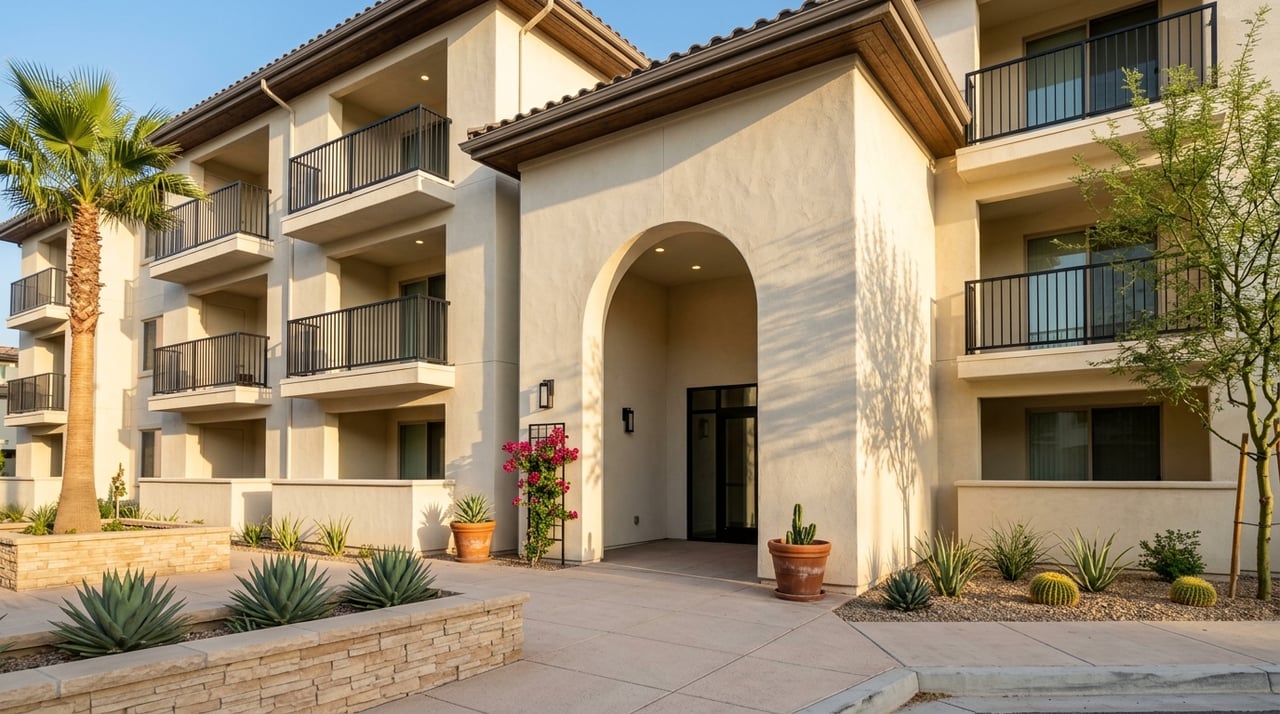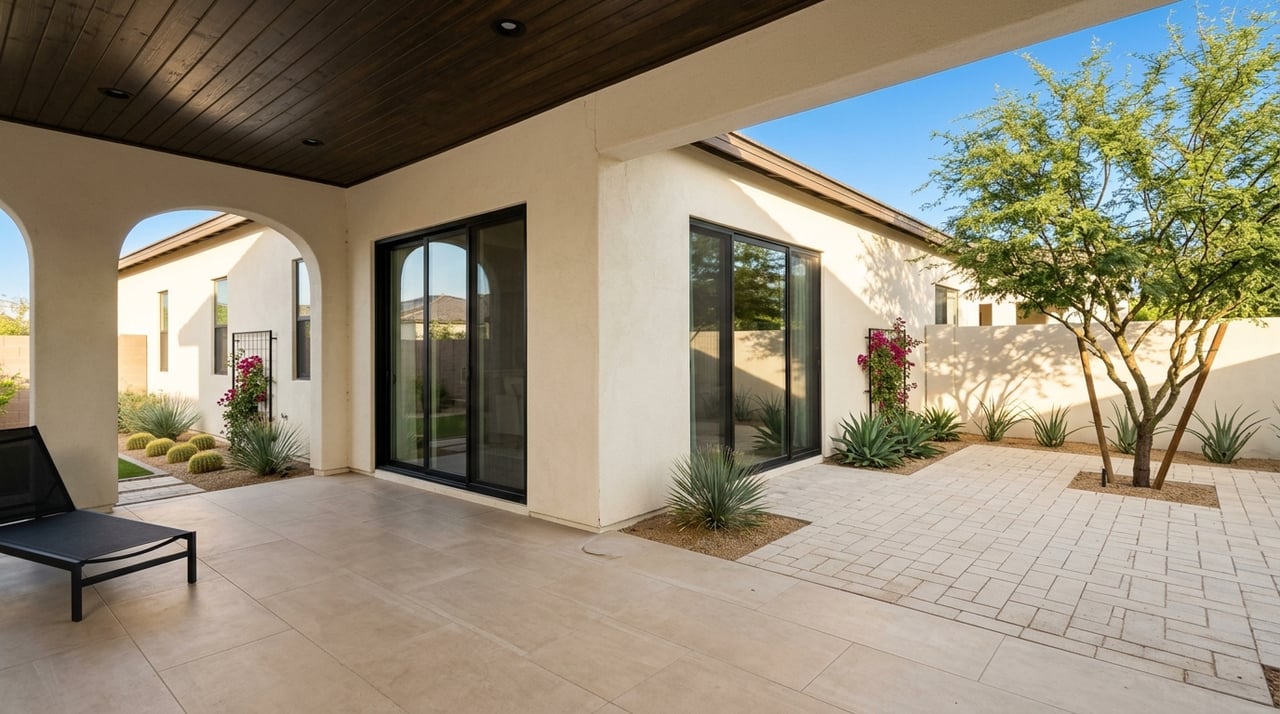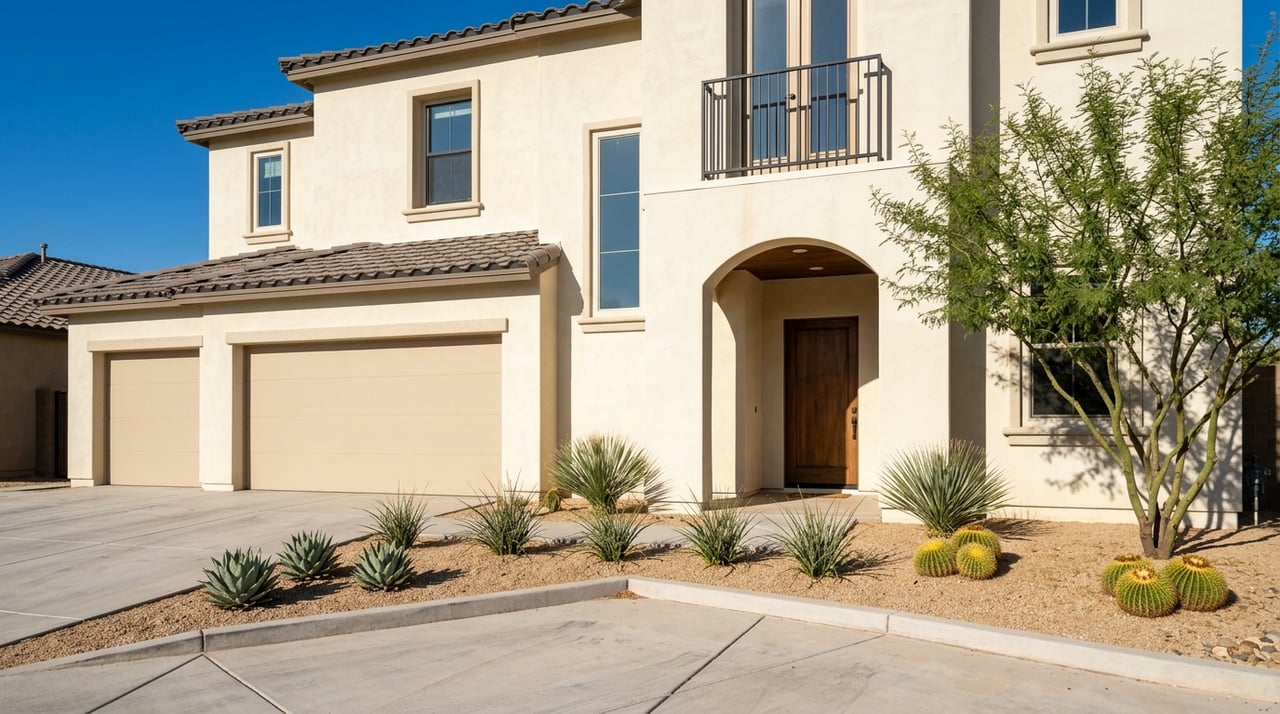
Thinking about buying an investment home in Buckeye? You are not alone. With rapid population growth, expanding road networks, and a steady stream of new housing, Buckeye has become one of the West Valley markets that draws serious attention from value-focused buyers and long-term investors. If you are wondering whether it fits your goals, this guide will help you weigh the opportunity, the tradeoffs, and the kind of strategy that tends to make the most sense here. Let’s dive in.
Why Buckeye gets investor attention
Buckeye has grown quickly in a short period of time. The U.S. Census Bureau estimates the city’s population at 114,334 as of July 1, 2024, which is up 24.9% from the 2020 census count of 91,502.
That kind of growth matters because it can support housing demand over time. It also helps explain why Buckeye is no longer viewed as just a far-out edge market. Today, it is part of a broader West Valley growth story with multiple planned communities and a development path that is still unfolding.
Another important point is scale. Buckeye covers 393.1 square miles, so it does not behave like one small, uniform market. It functions more like a group of distinct submarkets, each with its own housing mix, pace of development, and buyer profile.
Buckeye is not one single market
If you are considering an investment home here, local context matters. Buckeye’s planning documents point to major communities such as Sundance, Tartesso East/West, Verrado, and Westpark, which shows how varied the city can be from one area to another.
That means your results may depend heavily on where you buy, not just that you buy in Buckeye. A home near major transportation routes or within a more established master-planned community may appeal to a different renter or resale buyer than a property in an area with heavier future builder competition.
This is one reason broad market headlines can be misleading. In Buckeye, neighborhood age, HOA structure, nearby construction activity, and access to I-10 or future corridor improvements can all shape your holding costs, leasing strategy, and exit plan.
What the housing stock means for investors
Buckeye’s housing profile leans strongly toward newer, larger homes. According to the city’s housing needs factsheet, most homes were built after 2000, and more than 80% have three or more bedrooms.
That is a useful clue for investors. If you are searching for a market dominated by compact condos or small one-bedroom rentals, Buckeye may not be the right fit. The city has said smaller one- to two-bedroom homes are harder to find, and it has identified a need for more housing variety, including townhomes, duplexes, backyard cottages, and affordable rentals.
For now, the existing market still centers on detached, family-sized housing. That gives Buckeye a different feel from more urban rental markets and may shape the type of tenant or buyer you target.
Rental demand favors larger homes
Current rent data supports that same pattern. Zillow shows Buckeye’s average rent at about $2,105 as of May 22, 2026, with an average around $1,400 for a one-bedroom, $2,033 for a two-bedroom, and $2,608 for a four-bedroom.
Those figures suggest that larger homes play a meaningful role in the rental market. In practical terms, a three- or four-bedroom home may align better with Buckeye’s housing demand than a smaller-format property, especially if your goal is to serve renters looking for more space.
That does not mean every large home is automatically a strong investment. It means the market’s rental profile tends to support the kind of product Buckeye already has in abundance: newer, larger homes in planned communities.
How Buckeye compares with nearby markets
Buckeye often attracts investors who want a lower entry point than some neighboring West Valley cities. Zillow’s current home value data shows Buckeye at $396,322 on average, compared with $470,432 in Goodyear, $422,520 in Surprise, and $410,169 in Phoenix.
That pricing can make Buckeye look appealing if you want newer housing without paying as much as you might in Goodyear. At the same time, Buckeye is not simply the cheapest option in Maricopa County, and it should not be viewed as a pure bargain market.
On the rental side, Buckeye’s average rent of $2,105 sits below Goodyear’s $2,300 and slightly below Surprise’s $2,145, while remaining well above Phoenix’s $1,567 average. Taken together, that points to a market that can offer value relative to more established West Valley suburbs, but still requires careful math.
Transportation is a major part of the story
One of Buckeye’s biggest investment themes is access, and that story is still developing. The city says more than 140,000 vehicles travel the I-10 corridor through Buckeye daily, and transportation improvements are in progress or planned.
ADOT is designing I-10 improvements between SR-85 and Citrus Road. Loop 303 is also described by MAG as a significant economic driver, and the planned State Route 30 freeway is expected to serve as an alternate route to I-10 while crossing Buckeye, Goodyear, Avondale, and Phoenix.
For investors, this matters because transportation can influence both renter appeal and long-term resale demand. It also means Buckeye’s access story is not finished, which supports a market view tied to future growth rather than only current convenience.
What about future supply and water?
Every growth market has its questions, and Buckeye is no exception. Two of the most common are future inventory and water capacity.
On supply, the city has said Buckeye has 35 master-planned communities with development agreements in place. A city housing pipeline snapshot showed 23,160 housing units in the Buckeye MPA, including 15,640 active and platted units and 8,140 units not yet started.
That is a large pipeline, and it matters. If you buy in Buckeye, you are not only competing with existing resale inventory. You may also compete with future new construction, builder incentives, and newly released phases in nearby communities.
On water, the city says its issued water supplies can support another 20 to 25 years of growth. In a desert market, that is an important part of the conversation and one reason Buckeye continues to remain in play for long-range development.
Is Buckeye better for buy-and-hold?
In many cases, yes. Based on the city’s pipeline, its transportation buildout, and the market’s newer-home profile, Buckeye often makes more sense as a growth-and-hold market than a quick flip market.
That does not mean short-term resale is impossible. Zillow shows homes going pending in about 36 days, and a median sale-to-list ratio of 0.995 suggests a well-priced home can still find a buyer without the market feeling overheated.
Still, the stronger investment case often comes from patience. A longer holding period may give you more time to benefit from neighborhood maturity, corridor improvements, and a broader buyer pool as communities fill in.
Exit strategies that may fit Buckeye
If you are looking at Buckeye, it helps to think about your exit before you buy. The market data points to a few practical paths.
- Sell to an owner-occupant looking for a newer, larger home in a master-planned community
- Hold as a long-term rental if the property fits Buckeye’s common three- to four-bedroom demand profile
- Trade within the West Valley later if corridor improvements and community growth strengthen the area over time
The best choice depends on the property, your timeline, and your tolerance for future supply. In Buckeye, a smart investment plan usually starts with realistic expectations about competition, not just optimism about growth.
So, is Buckeye the right place?
Buckeye can be a strong choice if you want a newer home at a lower entry point than some nearby West Valley markets and you are comfortable with a market that is still developing. It tends to fit buyers who see value in long-term growth, larger home formats, and neighborhood-by-neighborhood strategy.
It may be less ideal if you want a small-unit investment, a tight-supply resale environment, or a market driven mainly by immediate scarcity. Buckeye’s opportunity is real, but it is tied to careful location selection, realistic underwriting, and a plan built for an evolving market.
That is where experienced local guidance can make a real difference. If you want help comparing Buckeye communities, reviewing property-specific investment potential, or building a strategy around your timeline, Theresa Krakauer can help you evaluate the opportunity with clear, hands-on market insight.
FAQs
Is Buckeye, Arizona mainly a new-construction market?
- Yes. City materials say most homes were built after 2000, and Buckeye still has a large housing pipeline in progress.
Are Buckeye, Arizona rentals mostly apartments?
- No. The city’s housing analysis shows a market dominated by larger homes, and rent data also points to demand across bigger bedroom counts.
Is Buckeye, Arizona good for quick flips?
- It can work in some cases, but the current data supports a stronger buy-and-hold case because of future supply and ongoing infrastructure buildout.
How does Buckeye, Arizona compare with Goodyear and Surprise?
- Buckeye generally offers a lower average home value than Goodyear and Surprise, while rents remain competitive within the West Valley.
Why does location matter so much within Buckeye, Arizona?
- Buckeye spans a large area with multiple planned communities, so factors like community age, nearby construction, HOA structure, and transportation access can affect performance.