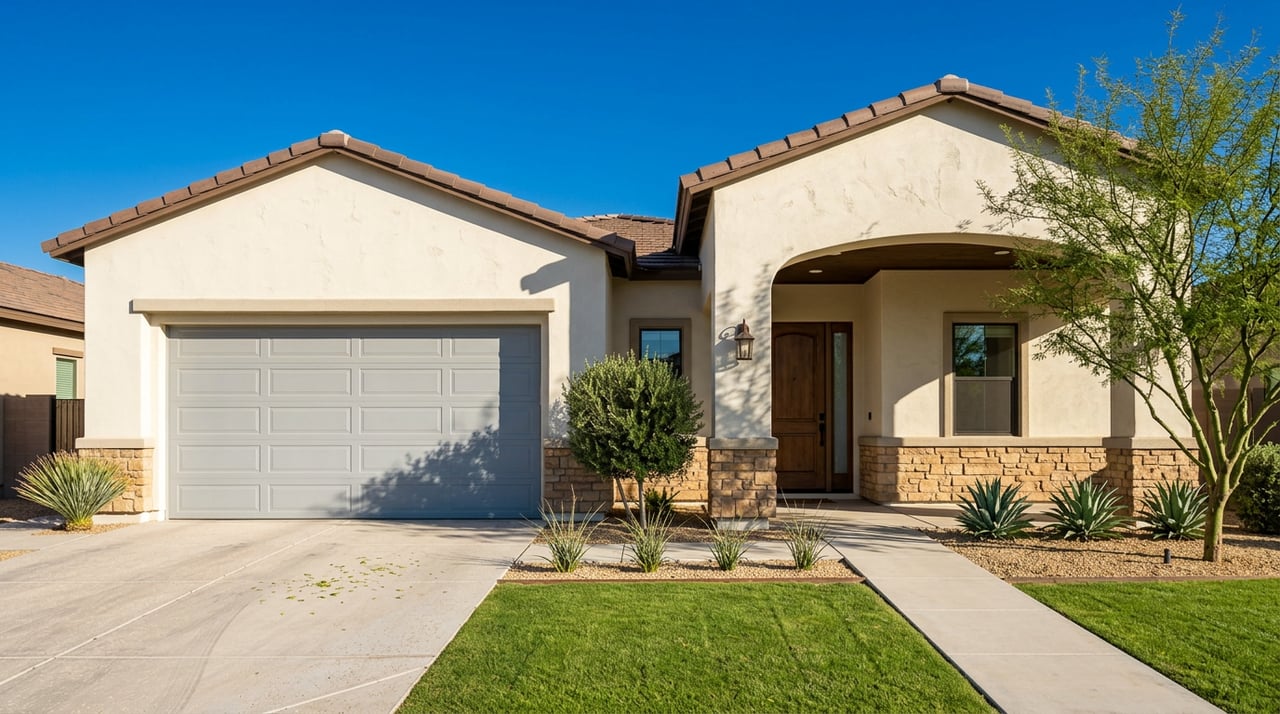
Torn between Gilbert and Chandler for your next move? You are not alone. Both East Valley cities offer strong neighborhoods, good access to jobs, and a sunny suburban lifestyle. The challenge is deciding which one matches your budget, commute, and day-to-day priorities. In this guide, you will compare prices, home styles, commute patterns, and amenities so you can narrow your search with confidence. Let’s dive in.
Gilbert vs. Chandler at a glance
- Prices: City-level snapshots in early 2026 show typical single-family values in the mid-400s to mid-500s. Zillow’s January 2026 dashboards put Gilbert near 560k and Chandler near 516k, while Redfin’s median sale prices show Gilbert around 550k and Chandler around 489k. Methods differ, so use these only as general guides.
- Commute: Based on ACS 2020–2024 estimates, mean travel times are about 25.9 minutes in Gilbert and 23.9 minutes in Chandler. You can verify these averages in the U.S. Census QuickFacts for Gilbert and Chandler.
- Lifestyle: Gilbert leans toward newer master-planned communities and a lively Heritage District. Chandler mixes established neighborhoods with resort-style master plans and a major regional mall area.
Home styles and age of construction
Gilbert: Newer master plans and distinct character pockets
Many Gilbert neighborhoods were built out during the 1990s and 2000s, which is in line with broader Phoenix-area growth in that period. You will find a lot of single-family homes in planned communities, from cottage-style streets in places like Agritopia to larger-lot lake locales in areas such as Val Vista Lakes. Expect suburban layouts, community parks, and HOA-managed amenities to be common.
Chandler: Mix of older and newer, plus lake and golf options
Chandler offers a broader blend of home types within short distances. South and central areas include older single-story ranch homes, while the Ocotillo area features a long-running master plan with water and golf amenities. You will also see newer subdivisions near the Price Road employment corridor and townhome or condo pockets that add variety.
Price levels and competition
City medians are helpful starting points, but neighborhood differences drive your final number. Recent 2026 snapshots show Gilbert trending slightly higher at the city level than Chandler, though the spread varies by source and month. Within each city, values can swing widely. For example, older sections near Gilbert’s Heritage District can run lower than newer enclaves like Seville or Bridges, while Chandler’s mix ranges from established ranch streets to resort-style communities.
Market dashboards in early 2026 also point to more inventory and longer days on market than the peak years of 2021–2022. That gives you more room to negotiate than during the mid-pandemic surge. Always pull a neighborhood-level CMA before you write an offer so you know the latest closed comps and how much leverage you may have.
Commute and job access
Chandler often wins if your day-to-day work is along the Price Road or Ocotillo tech and manufacturing corridor. Large employers, including the long-running Intel campus and supplier network, anchor that area. For broader context on Arizona’s semiconductor investments and Intel’s Ocotillo presence, you can review national reporting from Time. If your office is in Tempe, central Mesa, or downtown Phoenix, both cities can work, but peak-hour routing will matter.
Average commute times provide a directional guide, with Chandler roughly two minutes shorter on average based on ACS 2020–2024. You can confirm city averages in the Gilbert QuickFacts and Chandler QuickFacts.
Transit and local mobility
Both cities remain car-oriented. Light rail’s eastern terminus is at Gilbert Rd/Main St in Mesa, which can help certain Gilbert-adjacent neighborhoods. See the service details for the Gilbert Road/Main Street station. Chandler has an on-demand microtransit option called Chandler Flex that improves first and last mile connectivity. If you plan to rely on transit, map your daily routes to confirm practicality.
Lifestyle and amenities
Gilbert highlights
Gilbert’s Heritage District offers a walkable cluster of restaurants and local businesses with a small-town main street feel. The town’s park network stands out, including the Riparian Preserve at Water Ranch, known for trails, wildlife viewing, and a peaceful natural setting. You will also find major retail at SanTan Village and community events throughout the year.
Chandler highlights
Chandler combines an active downtown core with regional shopping at the Chandler Fashion Center. Large public parks and event venues, such as Tumbleweed Park, support community programs and seasonal events. The proximity of many neighborhoods to major employers adds to daily convenience for residents who want a short drive to work and amenities.
Schools and boundaries
Both cities are served by multiple districts. Gilbert includes Gilbert Public Schools and nearby districts such as Higley and Chandler Unified along some boundaries. Chandler is primarily Chandler Unified, which also spans parts of neighboring cities. School performance varies by campus and boundary, and several choice and magnet programs operate within these districts.
One example is Gilbert Classical Academy within Gilbert Public Schools, which is widely noted for academic performance and program structure. You can learn more at the Gilbert Classical Academy page. Always verify current boundaries and program availability when you shortlist neighborhoods, since assignments can change and may affect value and daily routines.
Taxes, HOAs, and carrying costs
Arizona’s effective property tax rate often compares favorably with other states. Third-party compendia place the statewide effective rate near 0.48 percent in recent snapshots. For a statewide overview, review the Arizona property tax summary. For county specifics, payment schedules, and how bills are calculated, consult Maricopa County’s property tax resources.
Many master-planned communities in both cities have HOAs with amenity fees. Older in-town neighborhoods can have fewer HOA layers. Ask for the full HOA disclosure package and compare amenity value against dues, especially if you are considering lake or golf communities.
Quick decision checklist
Use these questions to focus your search and pick your best-fit city and neighborhood:
- Budget and price target
- Start with a city snapshot, but decide with a neighborhood CMA. Values can differ street by street.
- Where you work
- If your primary job is in the Price Road or Ocotillo corridor, Chandler often reduces your peak-hour drive risk. For Tempe, Mesa, or central Phoenix, test-drive both routes at commute times.
- School priorities
- Map current boundaries and look at specific programs of interest. Choice and magnet options exist in both cities. Verify assignments for any target address.
- Style and lot preferences
- Prefer cottage or front-porch streets and a pedestrian vibe? Consider Gilbert’s character pockets and downtown-adjacent areas. Want lake views or golf access? Look at Chandler’s resort-style master plans.
- HOA comfort level
- Decide how you feel about dues, design guidelines, and amenity requirements. Older non-HOA areas trade some uniformity for flexibility.
- Resale strength and convenience
- Freeway access and proximity to job centers tend to support liquidity. Review recent days on market before you offer.
Where each city shines
- Choose Gilbert if you want newer master-planned communities, a distinctive Heritage District dining scene, and trail access like the Riparian Preserve. Many buyers like the master-plan consistency and neighborhood park networks.
- Choose Chandler if you value short commutes to the Price Road tech and manufacturing corridor, a wide variety of home types in close proximity, and retail anchors like the Chandler Fashion Center.
Sample neighborhood short list to start
These examples are a springboard for your own tour. Each has micro-markets and price variation.
- Gilbert: Agritopia, Seville, Bridges, Ashland Ranch, Val Vista Lakes, Heritage District adjacent blocks.
- Chandler: Ocotillo, Downtown Chandler, neighborhoods near Price Road Corridor, south Chandler ranch pockets.
Your next steps
- Map your peak-hour commute from two or three short-listed neighborhoods to your workplace.
- Verify school boundaries and program options for specific addresses.
- Get a fresh neighborhood CMA to see current pricing, inventory, and days on market.
When you are ready to compare homes side by side and build a winning plan, connect with Theresa Krakauer for a personalized market consultation and tailored strategy.
FAQs
Which city is more affordable in 2026, Gilbert or Chandler?
- City medians show both in the mid-400s to mid-500s, with Gilbert often slightly higher than Chandler in recent snapshots, but neighborhood-level pricing matters most.
What are the average commute times for Gilbert and Chandler?
- ACS 2020–2024 estimates show about 25.9 minutes for Gilbert and 23.9 minutes for Chandler; your actual time will vary by neighborhood, route, and peak-hour traffic.
How do public transit options compare between the two cities?
- Both are car-first; light rail reaches Gilbert Rd/Main St in Mesa and Chandler offers the on-demand Chandler Flex service for local trips.
How do school options differ across Gilbert and Chandler?
- Both are served by multiple districts, with quality varying by campus; verify boundaries and explore specific programs, such as Gilbert Classical Academy within Gilbert Public Schools.
Where can I find lake or golf community living?
- Chandler’s resort-style master plans, including lake and golf neighborhoods around Ocotillo, are a common fit; HOA details and dues vary, so review packages carefully.
Which areas offer walkable dining and entertainment?
- Gilbert’s Heritage District and Downtown Chandler both feature restaurants, events, and local businesses; each has a distinct feel worth touring in person.