Love the charm of a 1930s bungalow but worry about Phoenix heat and old systems? You are not alone. Older homes here offer central locations, mature trees, and character you cannot build today, yet they come with unique considerations. In this guide, you will learn where these homes cluster, what to inspect, how permits and historic rules work, and how to buy with confidence. Let’s dive in.
Historic neighborhoods and value basics
Phoenix’s older homes are concentrated in central and near‑central historic districts such as Willo, Encanto‑Palmcroft, Coronado, F.Q. Story, Roosevelt, Garfield, and Heritage Square. You can explore official district maps and profiles on the City of Phoenix Historic Property Register.
Prices and demand vary block by block. Many central historic districts command premiums thanks to location and scarcity. Use neighborhood‑level comps rather than citywide medians, and factor in condition and permitted updates when you compare homes.
Styles and eras to expect
“Older” in Phoenix usually means homes built from the early 1900s through the 1950s, with a second wave of mid‑century designs from the 1940s to 1960s. Common styles include:
- Bungalow and Craftsman, plus Storybook cottages from the 1920s to 1940s.
- Spanish Colonial, Mission, and Mediterranean Revival.
- Early and mid‑century ranch, plus mid‑century modern with open plans and large windows.
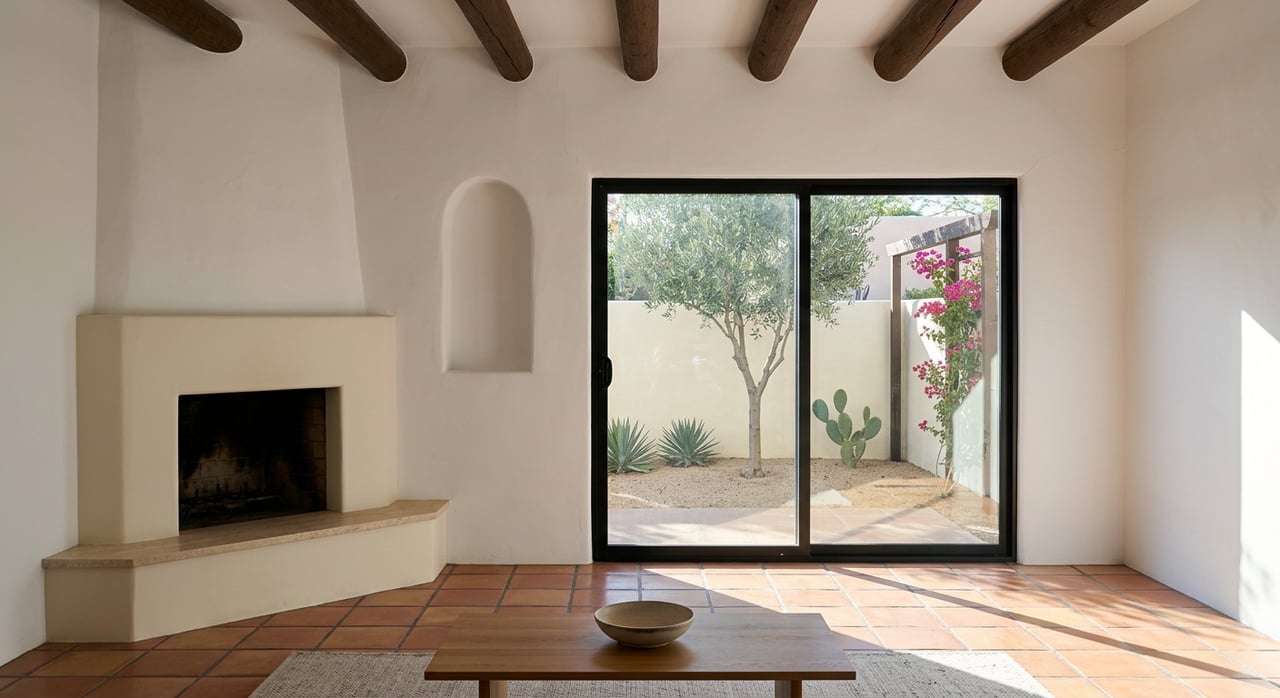
Expect features like original hardwood floors, plaster walls, and period tile. Mid‑century homes may feel more open but can still have original single‑pane glass and older mechanical systems. Always reference the year built in public records for accuracy.
Systems to scrutinize
Cooling and HVAC
Central air is essential in Phoenix. Older systems often reach the end of their useful life around 12 to 17 years. Some legacy units run on R‑22 refrigerant, which is no longer produced. Servicing relies on reclaimed supplies and can be expensive, so unit age and refrigerant type are key negotiation points. Review the EPA’s guidance on the R‑22 phaseout and homeowner FAQs. If replacement is near, consider higher‑efficiency options and confirm proper sizing and duct condition.
Foundations and soils
Expansive and collapsing soils occur across the Phoenix Valley. Seasonal wet‑dry cycles, plus monsoon storms, can contribute to slab heave, cracking, and settlement. If you see stair‑step cracks, doors that bind, or sloping floors, a foundation or structural evaluation is recommended. Learn more about local soil behavior from the Arizona Geological Survey.
Termites and wood‑destroying organisms
Subterranean and drywood termite species are present in Arizona. Inspection scope, treatment, and repair needs depend on the species and extent. Order a licensed pest inspection and request a written report. For background on species and detection, see the University of Arizona’s overview of Arizona termites of economic importance.
Plumbing and water lines
Watch for older galvanized steel supply lines, lead‑soldered joints in pre‑1986 work, and polybutylene (“Poly‑B”) pipes used from the late 1970s to mid‑1990s. These materials can raise insurance and lending concerns and may warrant replacement. A licensed plumber can identify piping types and provide estimates. Read more on Poly‑B piping and risks.
Electrical systems
Some older homes may still have obsolete components such as early panels or aluminum branch wiring in certain eras. Insurers may require updates before issuing coverage. A licensed electrician should assess panel capacity, grounding, and any historically problematic equipment. See trade discussion of common concerns in this electrical safety forum thread.
Roofs, windows, and insulation
Heat and monsoon storms shorten roof lifespans. Have a roofer estimate remaining life, with attention to tile or shingle condition and flashings. Older homes often have single‑pane windows and minimal attic insulation, which can affect comfort and energy bills. Budget for upgrades if not already completed.
Pools and drainage
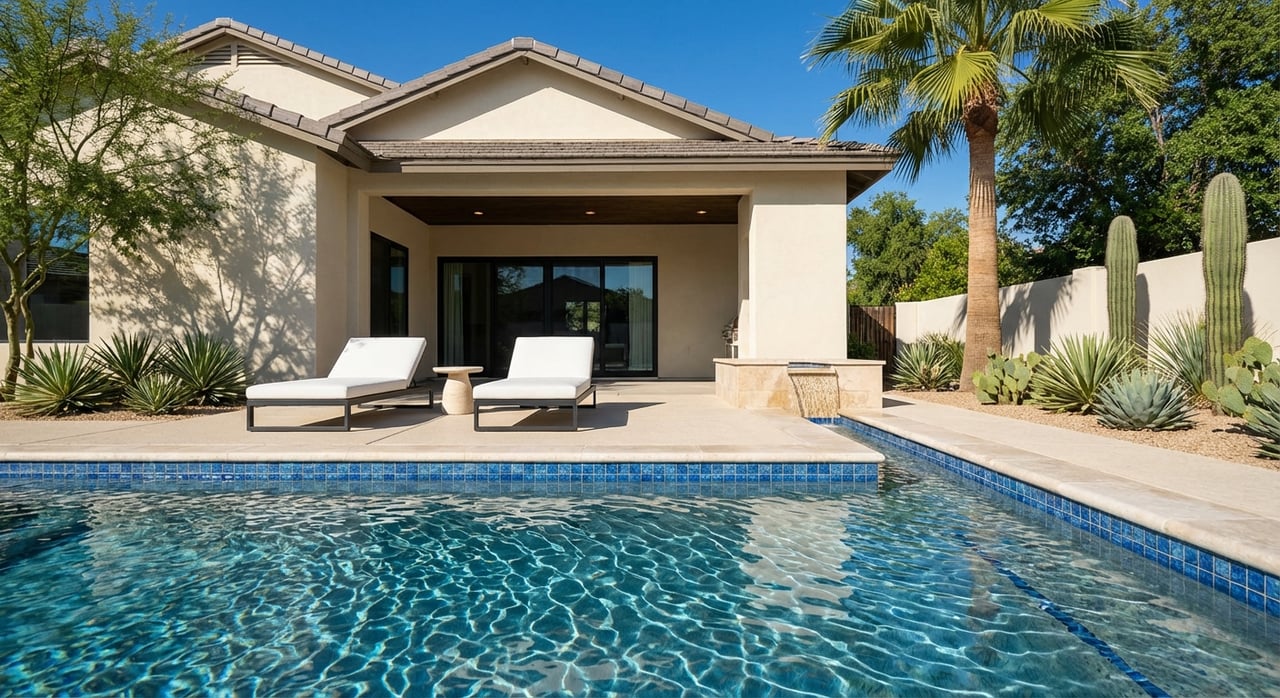
Pools are common on central and mid‑century lots. Inspect pool equipment, electrical bonding, GFCI protection, and pool surface condition. Also verify lot grading so water flows away from the foundation during storms.
Permits, overlays, and disclosures
Historic overlays and exterior changes
If a home sits in a designated historic district, exterior changes may require design review or approval. Requirements vary by district and scope of work. Before planning facade changes or replacement materials, confirm rules and processes through Phoenix Planning & Development or the historic register resources listed above.
How to check permits
Use the City of Phoenix Planning & Development resources to review permit history for the property. The department’s site lists processes and contacts for records requests Planning & Development Department. You can also explore zoning overlays and past permit activity by parcel using the city’s My Community Map. Ask the seller for receipts and permits for additions, major remodels, electrical work, and HVAC replacements. Unpermitted work can complicate financing and resale.
Lead rules for pre‑1978 homes
Federal law requires a lead‑based paint disclosure for homes built before 1978. If you plan to renovate and disturb painted surfaces, hire EPA‑certified lead‑safe contractors. Review the EPA’s Renovation, Repair and Painting Program for guidance.
Your due diligence checklist
Use this list to structure your inspection period and budget planning. Your agent can help coordinate vendors and timelines.
- General home inspection. Baseline condition report, system ages, and immediate safety items. Follow up with specialists as needed.
- Pest and termite inspection. Identify species and damage, then scope treatment and repairs using a licensed pest control firm.
- HVAC evaluation. Confirm unit age, refrigerant type, capacity, and duct condition. Plan for replacement if the unit is near the end of life.
- Roof inspection by a roofer. Document remaining useful life, material condition, and flashings. Request a written estimate for needed work.
- Sewer line camera scope. Older laterals may have root intrusion or settlement. A camera scope can prevent costly surprises.
- Plumbing evaluation. Identify galvanized, lead‑soldered joints, or Poly‑B. Get a written estimate for partial or full replacement if present.
- Electrical inspection. Verify panel brand and capacity, grounding, GFCI/AFCI protection, and any obsolete components.
- Foundation or structural review. If you see cracks, binding doors, or sloping floors, bring in a foundation specialist or engineer.
- Pool and spa inspection. Check bonding, GFCI, pump, heater, and surface condition.
- Lead paint and materials screening. For pre‑1978 homes, consider lead and asbestos testing before demolition. Hire RRP‑certified pros if renovating.
Smart budgeting and negotiation
Older homes reward preparation. Use inspection results to prioritize big‑ticket items like HVAC, roof, plumbing, electrical, and structural repairs. You can request seller credits, price adjustments, or completion of key repairs with receipts and, when applicable, permits. Ask for documentation on recent upgrades, especially mechanicals and any additions.
Build a realistic first‑year budget. Include potential HVAC updates, roof tune‑ups, insulation or window improvements, and termite treatment if needed. Get pre‑approved with your lender and request an insurance quote early. Insurers sometimes review system age and certain components when pricing older homes.
How a local agent helps
A seasoned local agent helps you separate location and character premiums from condition and permit risks. You will get neighborhood‑level comps, a plan to check permits and historic overlays, and referrals to the right inspectors and contractors. An experienced negotiator will help you structure contingencies, weigh credits versus repairs, and protect your timeline.
If you want hands‑on guidance across Phoenix and Scottsdale, including vendor coordination and thoughtful price strategy, request a personalized market consultation with Theresa Krakauer. You will get a tailored plan that fits your goals and comfort level.
FAQs
What areas of Phoenix have the most older homes?
- Central and near‑central historic districts such as Willo, Encanto‑Palmcroft, Coronado, F.Q. Story, Roosevelt, Garfield, and Heritage Square contain many of Phoenix’s older homes, as listed on the city’s Historic Property Register.
How do historic overlays affect remodeling in Phoenix?
- In designated districts, exterior changes may need design review or approval. Check requirements with Phoenix Planning & Development before planning facade changes or material swaps.
What HVAC issues are common in older Phoenix homes?
- Older units may be near end of life and some use R‑22 refrigerant, which is phased out. Confirm age, refrigerant type, capacity, and ducts, and budget for higher‑efficiency replacement if needed.
Why is a foundation check important in Phoenix?
- Expansive and collapsing soils can cause slab movement, cracks, or settlement. If signs of movement are present, bring in a foundation specialist or engineer to assess risk and repairs.
Which plumbing types can be a red flag in older homes?
- Galvanized steel, lead‑soldered joints in older work, and polybutylene (Poly‑B) can raise failure or insurance concerns. A plumber can verify materials and estimate replacement costs.