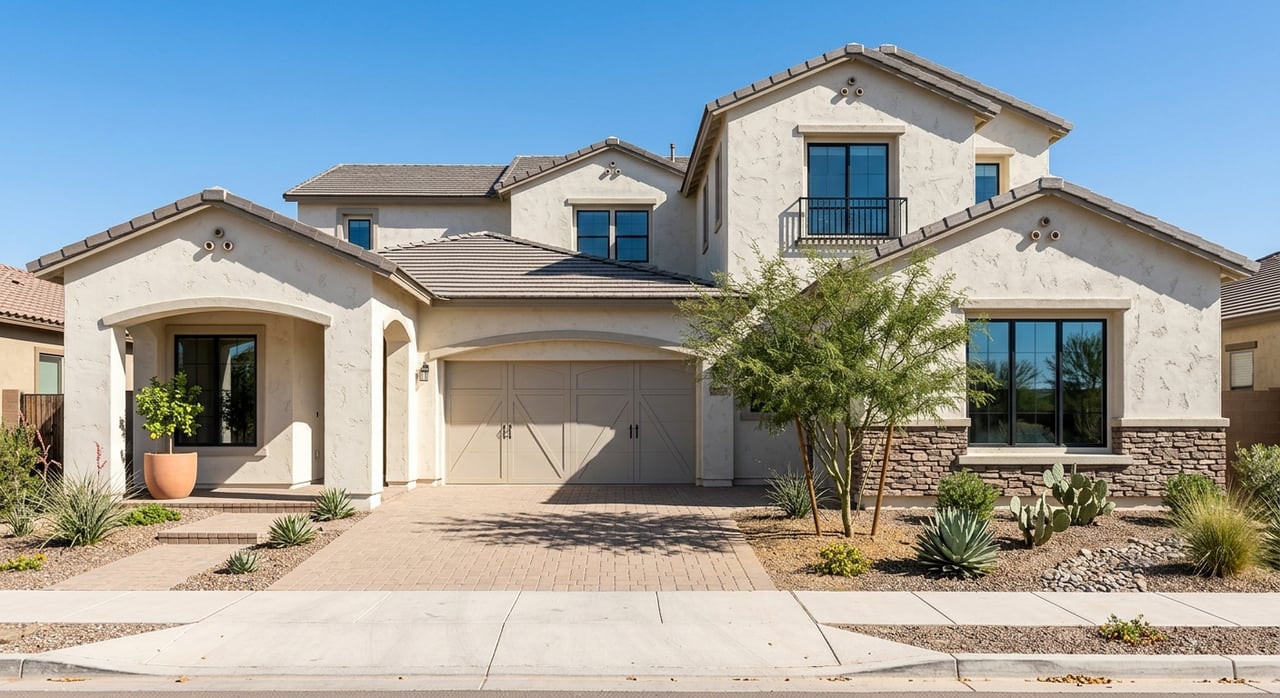
If you have been looking at Gilbert homes, you have probably noticed that "master-planned community" can mean very different things from one neighborhood to the next. That can feel exciting and a little confusing, especially when you are trying to picture your everyday routine, not just the home itself. The good news is that once you understand how Gilbert’s communities are designed, it becomes much easier to narrow in on the right fit for your lifestyle. Let’s dive in.
Master-planned living in Gilbert
In Gilbert, a master-planned community is more than a cluster of homes with an entry sign. The town’s broader planning framework supports growth around transportation, parks, open space, and community design, which helps explain why many neighborhoods feel connected rather than isolated.
That bigger picture shows up in daily life. You may find neighborhoods built around trails, shared amenities, open green space, and nearby retail or dining. In other words, living in a master-planned Gilbert community often means buying into a lifestyle pattern as much as a property.
Gilbert communities are not all the same
One of the biggest misconceptions is that all master-planned communities offer the same experience. In Gilbert, that is simply not true. The town includes a wide range of community styles, from park-focused neighborhoods to mixed-use villages to club-centered and age-restricted settings.
Power Ranch is one example of a large, amenity-rich suburban community. Agritopia offers a very different setting, with organic farmland, restaurants, maker spaces, and mixed-use areas that create more of a village feel. Seville centers more heavily around club amenities, while Trilogy at Power Ranch is a private, age-restricted resort-style community.
Morrison Ranch adds another variation. Its master plan includes low-, medium-, and high-density residential areas linked by open space and walking trails. That mix is part of why Gilbert often feels like a network of distinct villages rather than one uniform suburban landscape.
What daily life can look like
Your day-to-day experience in a Gilbert master-planned community often depends on how the neighborhood was designed. In some places, sidewalks, trails, parks, and recreation spaces are built right into the rhythm of the community. That can make it easier to walk, bike, or spend time outdoors close to home.
Power Ranch is a strong example of this kind of setup. Its community materials describe tree-lined streets, sidewalks, fishing ponds, pools, pavilions, parks, tennis courts, and more than 26 miles of trails. For many buyers, that means convenience and recreation are woven into the neighborhood itself.
Morrison Ranch also organizes community life around shared outdoor spaces. Its parks, practice fields, resident communications, and neighborhood events shape a more connected neighborhood pattern. If you like the idea of nearby open space and a visually cohesive environment, that type of planning may stand out.
Amenities can shape your routine
A major draw of master-planned living is access to amenities, but it helps to look closely at how they actually work. Some amenities are open to all residents in the larger community, while others are limited by sub-community or club membership.
In Power Ranch, the association manages pools, fishing lakes, courts, pavilions, and resident-only rentals. Pool access requires an active amenity card, and some amenities are specific to certain sections, such as the Knolls pools. Fishing in the lakes also requires a permit.
Trilogy at Power Ranch works differently. It operates through a club model with membership-based access to features such as a clubhouse, pools and spa, sports courts, a fitness center, clubs, and activities. That is an important reminder that two neighborhoods may both be called master-planned, but the lifestyle and access can be very different.
Seville follows another club-centered model. The community is associated with championship golf, resort-style pools, tennis, pickleball, fitness, aquatics, dining, and social events. If your ideal routine includes structured recreation and club life, that may feel very different from a more traditional neighborhood layout.
Home design often feels more curated
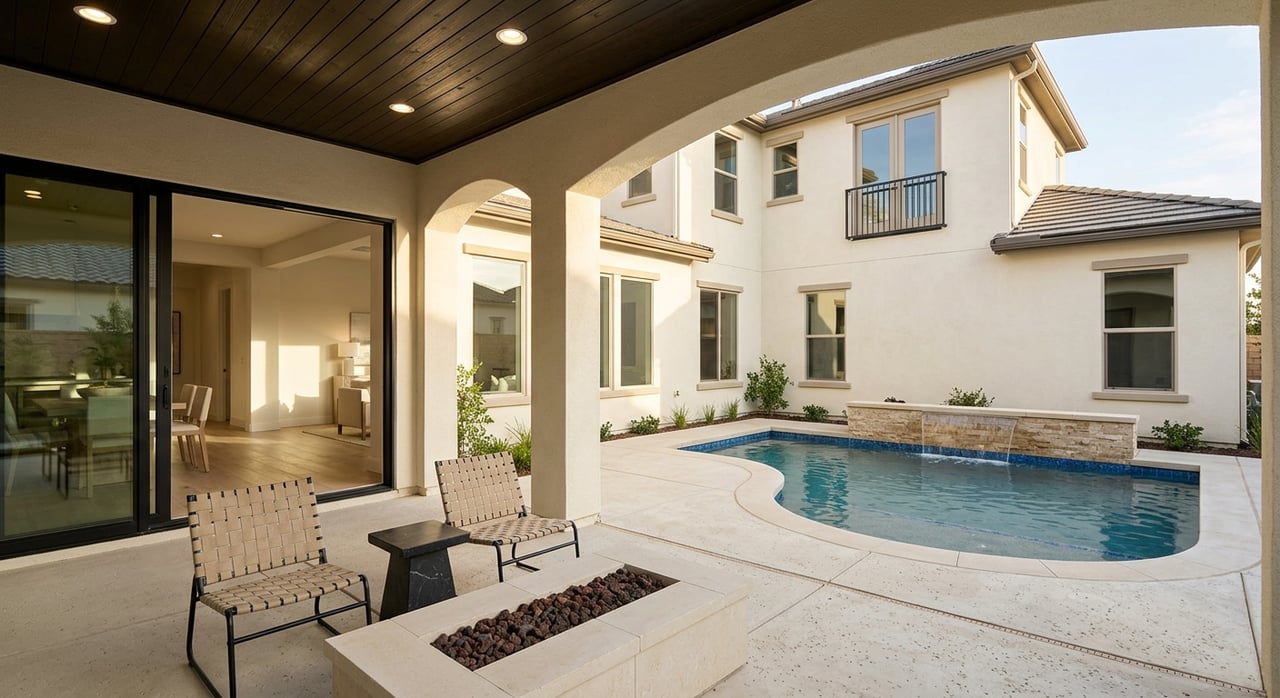
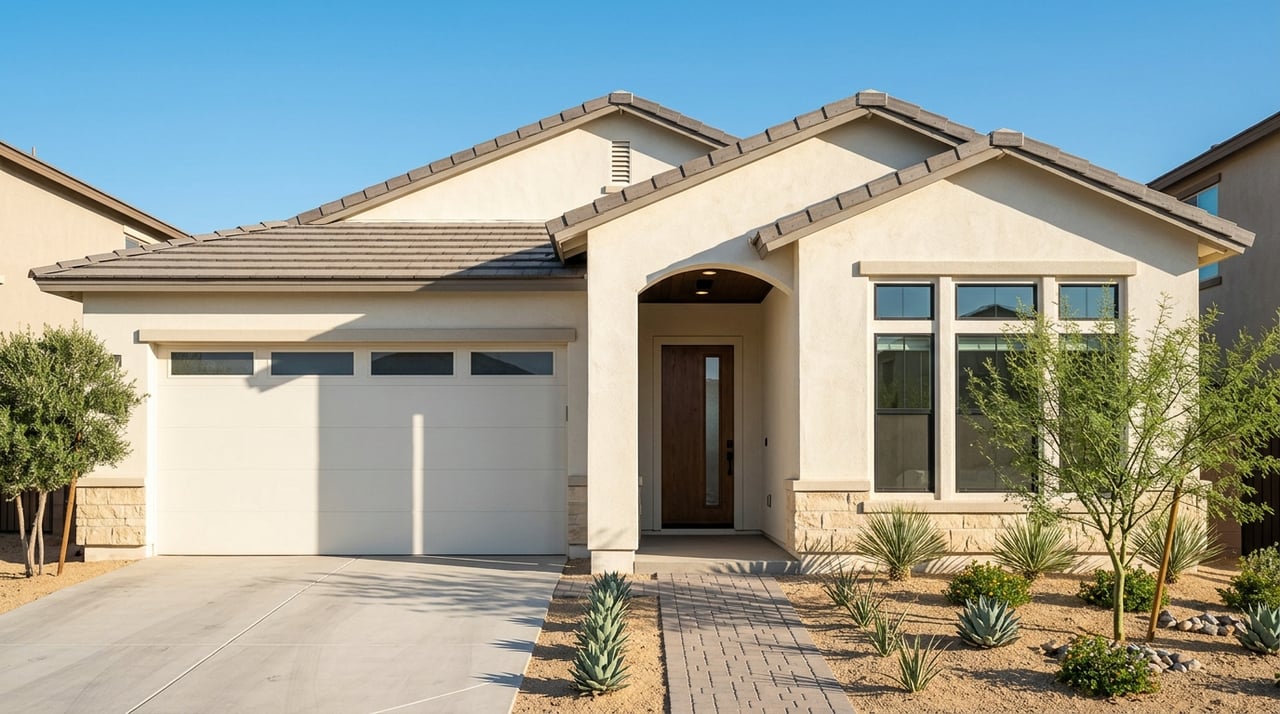
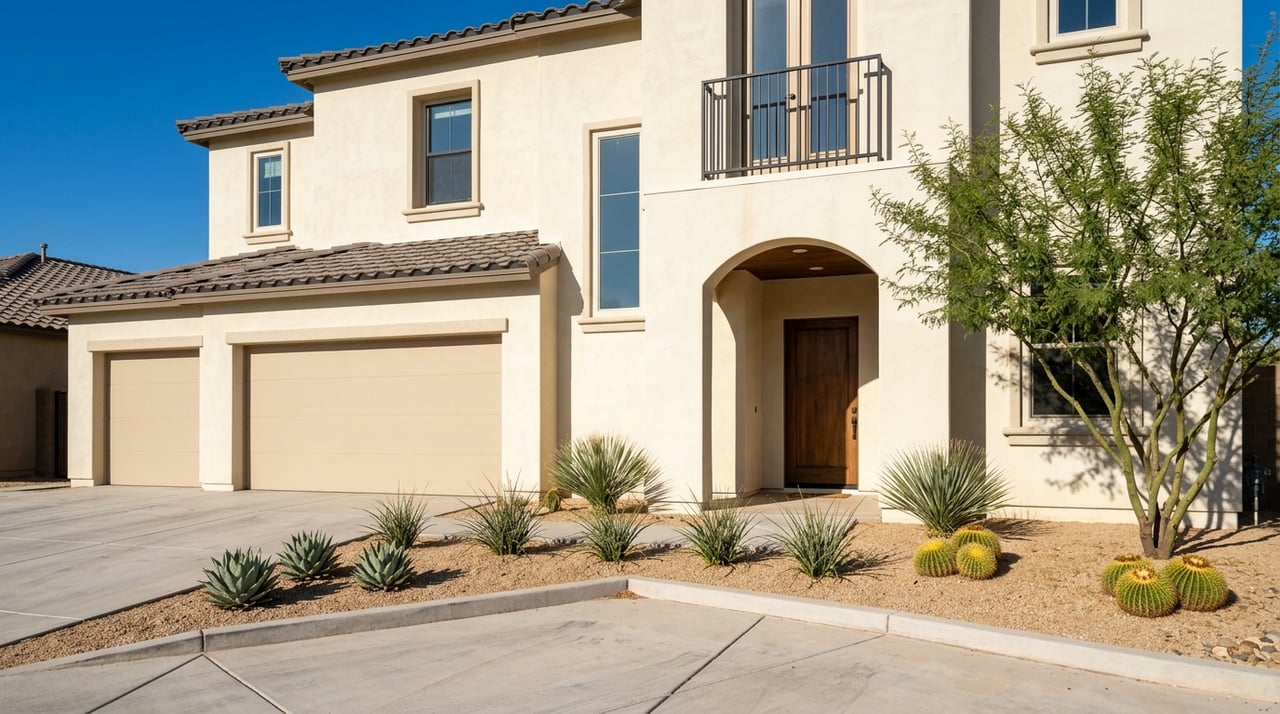
One thing many buyers notice right away is that some Gilbert communities feel more polished or visually consistent than a standard subdivision. That is not accidental. In certain master-planned communities, design guidelines shape everything from architecture to landscaping.
Morrison Ranch is a clear example. Its guidelines encourage Ranch, Prairie, Craftsman, Bungalow, and Rural Contemporary styles, while many exterior changes and finish choices go through design review. The community also emphasizes front-yard landscape standards, consistent materials, and a cohesive look from lot to lot.
For you as a buyer, that can be a real benefit if you value visual continuity and neighborhood character. It can also mean less flexibility if you want to make quick exterior changes after closing. Understanding that balance upfront is important.
Mixed-use communities offer a different feel
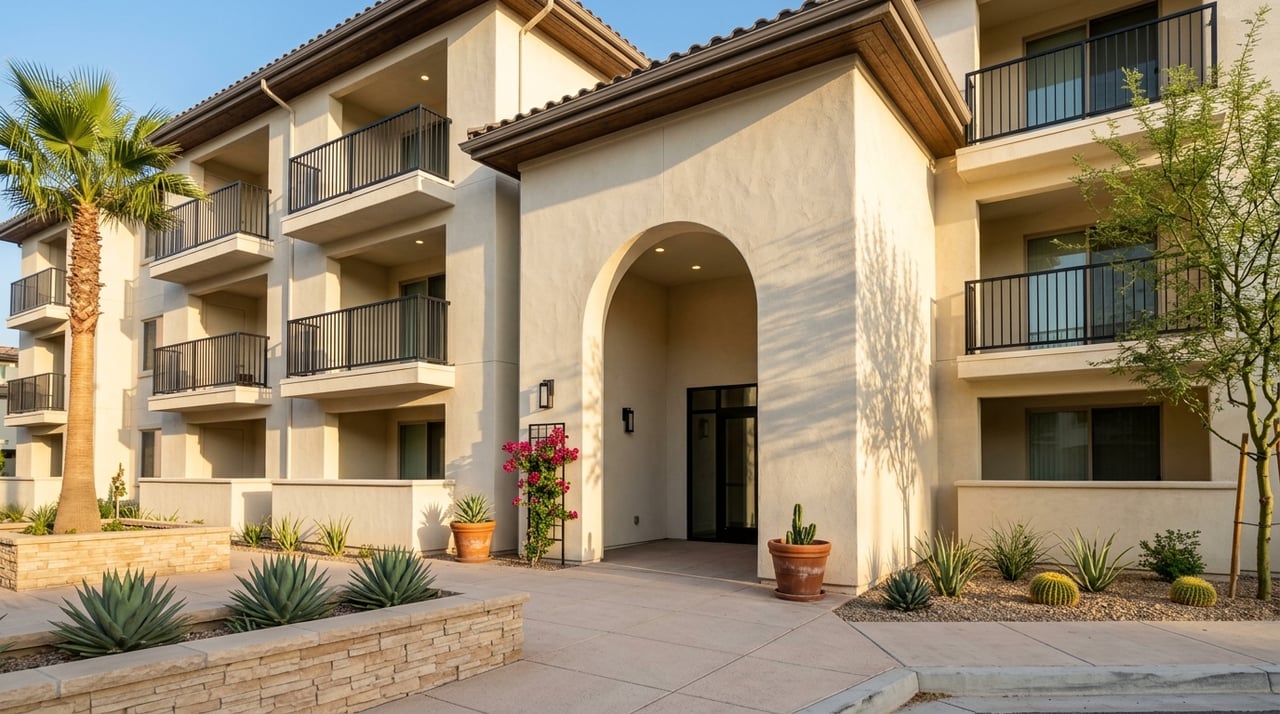
Not every master-planned community in Gilbert is centered on parks or club amenities. Some are designed to blend homes with shops, dining, and neighborhood-scale services. That can create a more walkable and village-like atmosphere.
Agritopia stands out in this category. The community spans 160 acres and includes more than 11 acres of certified organic farmland. Its Epicenter area includes boutique shops, fitness studios, dining, and apartments above retail, creating a layered environment that feels different from a conventional subdivision.
For some buyers, that setup brings a strong sense of place and convenience. You may appreciate having dining and retail woven into the neighborhood itself rather than driving out of the community for every errand or outing.
Gilbert adds townwide amenities too
Living in a master-planned community does not mean your lifestyle is limited to your HOA boundaries. Gilbert also offers larger public amenities that add to the appeal of the area as a whole. That combination of neighborhood amenities and townwide destinations is part of what makes Gilbert attractive to many buyers.
Gilbert Regional Park is a good example. The park includes a 4,000-square-foot splash pad with 57 water features, a 17-foot playground, a 7-acre lake with a fishing pier and walking path, plus an amphitheater and event lawn. Those kinds of public spaces can expand your recreation options well beyond your own neighborhood.
Retail and entertainment also play a role. Gilbert’s Heritage District serves as a downtown hub for dining, live entertainment, nightlife, shopping, and arts and culture, while SanTan Village offers an open-air mix of retailers, shops, restaurants, and a movie theater. Depending on where you live, these destinations can become part of your regular routine.
Trails and connectivity matter
Many buyers focus on the house and HOA amenities first, but connectivity is just as important. Gilbert’s planning framework supports a broader network of roads, paths, and transportation options that can shape how convenient a community feels over time.
The town says its Central Trail System offers about 135 miles of trail enjoyment and more than 54 miles of marked bike trails. Gilbert is also part of Valley Metro, with bus routes serving the Heritage District and major corridors such as Gilbert Road, Ray Road, and Power Road. If outdoor access and movement around town matter to you, those details are worth factoring into your search.
Gilbert’s place in the East Valley matters too. With strong regional access and continued growth, the town functions as a connected suburban hub rather than a single isolated pocket. That can be especially helpful if you are relocating and trying to understand how neighborhood life fits into the bigger Phoenix-area picture.
HOA rules are part of the tradeoff
Master-planned communities usually come with more structure than free-form neighborhoods. For many homeowners, that is part of the appeal because it helps maintain consistency and shared spaces. Still, it is important to know what that structure looks like before you buy.
Power Ranch requires Design Review Committee approval for nearly all exterior changes, including painting and landscaping modifications. Its materials also outline parking rules that favor garages and driveways over street parking. Morrison Ranch has similar approval requirements for changes such as painting, landscaping, pergolas, driveway extensions, and sheds.
This is where lifestyle fit becomes very practical. If you value a well-maintained, coordinated neighborhood appearance, these rules may feel reassuring. If you prefer more flexibility with exterior changes, parking, or landscape choices, you will want to review the community documents carefully.
One master plan can include layers
Another detail buyers sometimes miss is that one master-planned name does not always mean one simple HOA setup. Some communities include separate neighborhoods, boards, or management structures inside the larger plan. That can affect rules, dues, or amenity access depending on the specific section.
Morrison Ranch’s welcome materials note that some neighborhoods have separate boards and management companies. In Power Ranch, some amenity access varies by sub-community. That is why it is smart to look beyond the entrance monument and ask exactly how the property you are considering fits into the larger community structure.
What this means for you as a buyer
If you are considering a master-planned Gilbert community, the right question is not just, "Do I want amenities?" The better question is, "What kind of daily lifestyle do I want this neighborhood to support?" That answer can point you toward a very different community depending on your priorities.
You may want extensive parks and trails, a village setting with shops and dining, a club-centered environment, or a more structured age-restricted lifestyle. You may also care deeply about design standards, amenity access, and how much HOA oversight comes with the home. The more clearly you define those preferences, the easier it becomes to choose well.
A thoughtful home search in Gilbert is about matching the property, the neighborhood structure, and your routine. That is where local guidance can make a real difference, especially when communities that sound similar on paper function very differently in person.
If you want help comparing Gilbert neighborhoods and finding the right lifestyle fit for your move, connect with Theresa Krakauer for a personalized market consultation and tailored plan.
FAQs
What is a master-planned community in Gilbert?
- In Gilbert, a master-planned community is a neighborhood developed around a broader design vision that may include housing, parks, trails, open space, amenities, and sometimes retail or club features.
What amenities do Gilbert master-planned communities often include?
- Depending on the community, amenities may include pools, parks, fishing lakes, trails, sports courts, clubhouses, pavilions, and neighborhood event spaces.
What makes Agritopia different from other Gilbert communities?
- Agritopia blends homes with more than 11 acres of certified organic farmland, restaurants, maker spaces, shops, fitness studios, and mixed-use areas that create a village-style setting.
What should buyers know about HOA rules in Gilbert master-planned communities?
- Many communities require approval for exterior changes such as paint, landscaping, pergolas, sheds, or driveway extensions, and some also have structured parking or amenity access rules.
What is daily life like in Power Ranch in Gilbert?
- Power Ranch is designed around suburban amenities and outdoor access, with tree-lined streets, sidewalks, fishing ponds, pools, parks, courts, pavilions, and more than 26 miles of trails.
How do Gilbert town amenities add to master-planned living?
- Public destinations such as Gilbert Regional Park, the Heritage District, SanTan Village, and the townwide trail system can expand recreation, dining, shopping, and entertainment options beyond your neighborhood.