Wondering if you can simplify your home life without giving up comfort or convenience in Mesa? You are not alone. Many downsizers, relocating buyers, and busy professionals want a home that feels easy to live in, easy to maintain, and easier to manage day to day. In Mesa, that usually means looking closely at condos, townhome-style properties, and smaller detached homes with simpler yards. Let’s dive in.
Why Mesa works for low-maintenance living
Mesa offers a wide range of housing options, which makes it a practical place to compare different low-maintenance lifestyles. It is the second largest city in Maricopa County, with a population of more than 515,000, and its housing stock includes a mix of attached and detached homes.
According to the City of Mesa, detached single-family homes make up 56% of the city’s housing stock, and single-family units overall account for 61%. Nearly 67% of Mesa housing was built after 1980. That mix gives you more than one path if your goal is less upkeep and a more manageable home.
The city also notes that recent single-family development has leaned toward larger and more expensive homes, while local policy aims to encourage more middle housing and accessory dwelling units. For you as a buyer, that means it is especially important to compare ownership structure, maintenance responsibilities, and monthly costs, not just square footage.
Best low-maintenance home types in Mesa
Condos for the simplest exterior upkeep
If your main goal is to reduce exterior chores, a condo is often the clearest fit. In Arizona, condominiums are treated as a separate legal category, with common ownership of the portions of the property outside the individual unit.
That legal structure matters because it often shapes who handles exterior maintenance, shared amenities, and certain insurance obligations. Instead of assuming what is covered, you should review the resale documents carefully to see exactly how the community is set up.
For a condo resale in Arizona, the disclosure packet must include items such as the declaration, bylaws, rules, assessment information, insurance status, reserve amount, pending litigation, the operating budget, the most recent annual financial report, and the reserve study if one exists. If you want predictability and fewer exterior responsibilities, this paperwork is a big part of your decision.
Townhomes and attached homes with different rules
Many buyers use the word townhome as shorthand for low-maintenance living, but the legal setup is what really matters. In Arizona, planned communities and condominiums follow different legal regimes, and that affects maintenance, disclosures, and assessments.
A townhome-style property may be legally structured as a condo or as part of a planned community. The exterior look alone does not tell you which one it is. Before you fall in love with the floor plan, confirm what the governing documents say about exterior upkeep, common areas, and owner responsibilities.
This distinction can affect what your monthly dues cover and what repairs may still fall on you. It can also change the type of resale documents you receive, so it is worth clarifying early in the process.
Smaller detached homes with easy-care yards
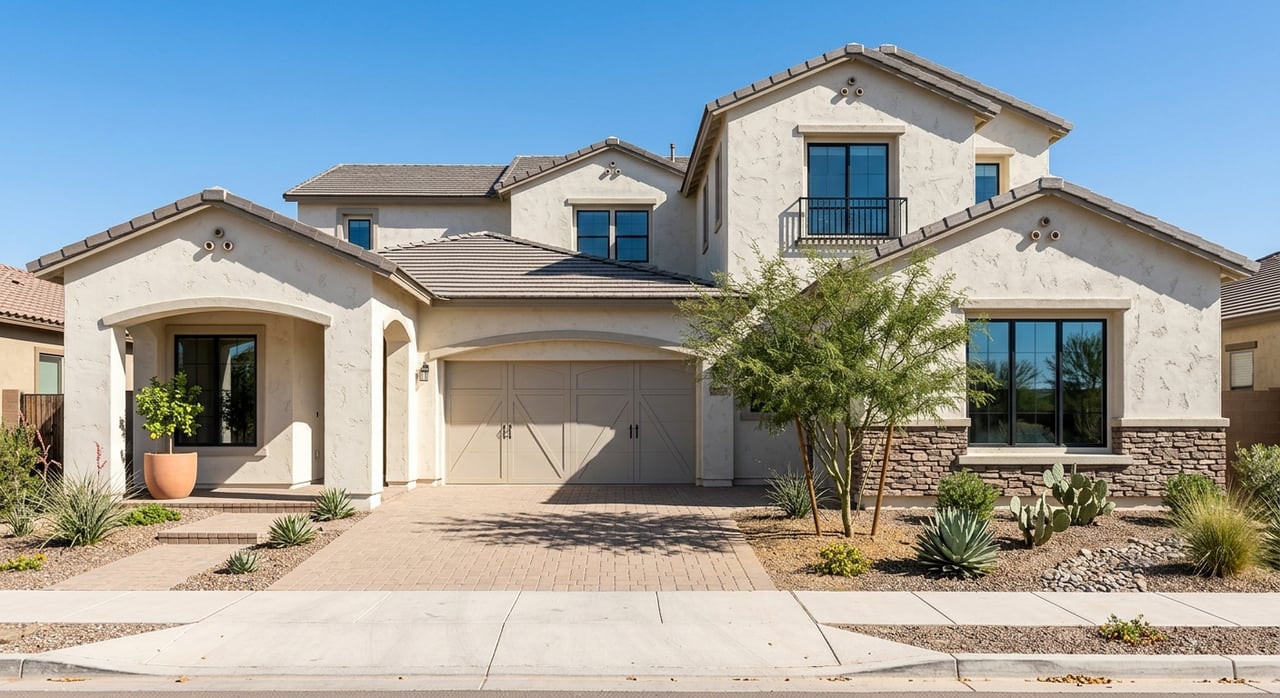
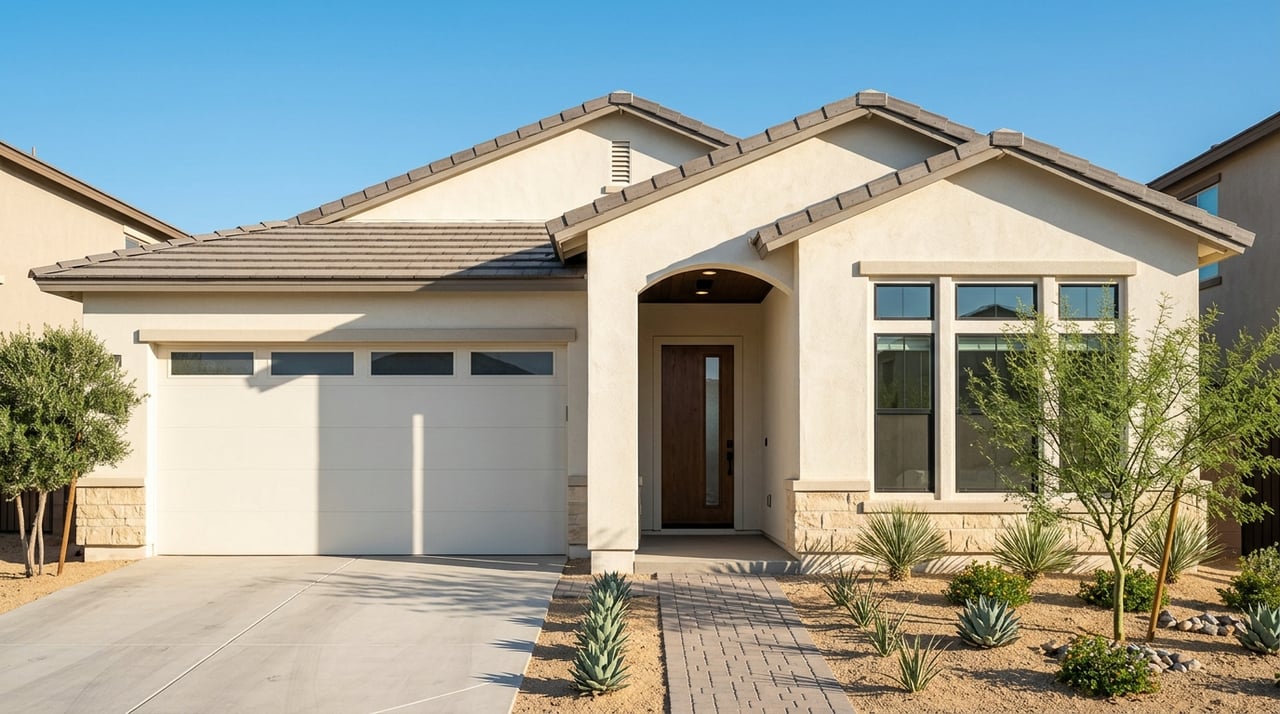
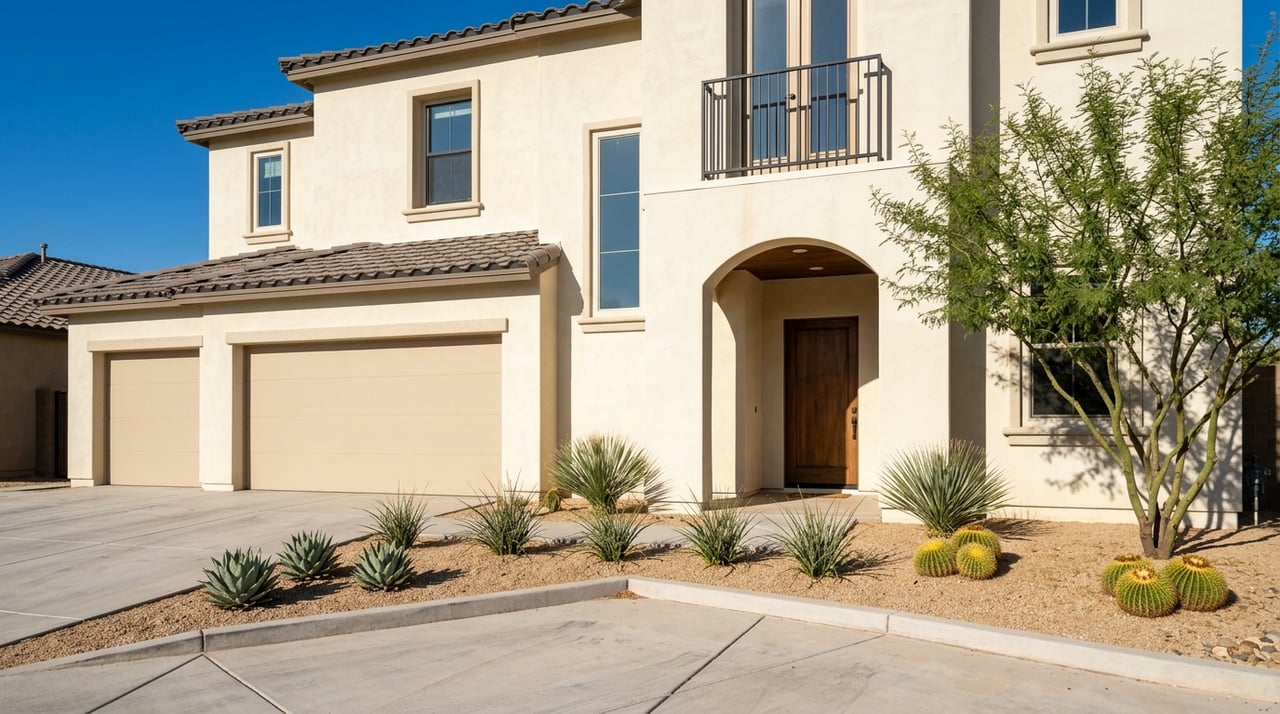
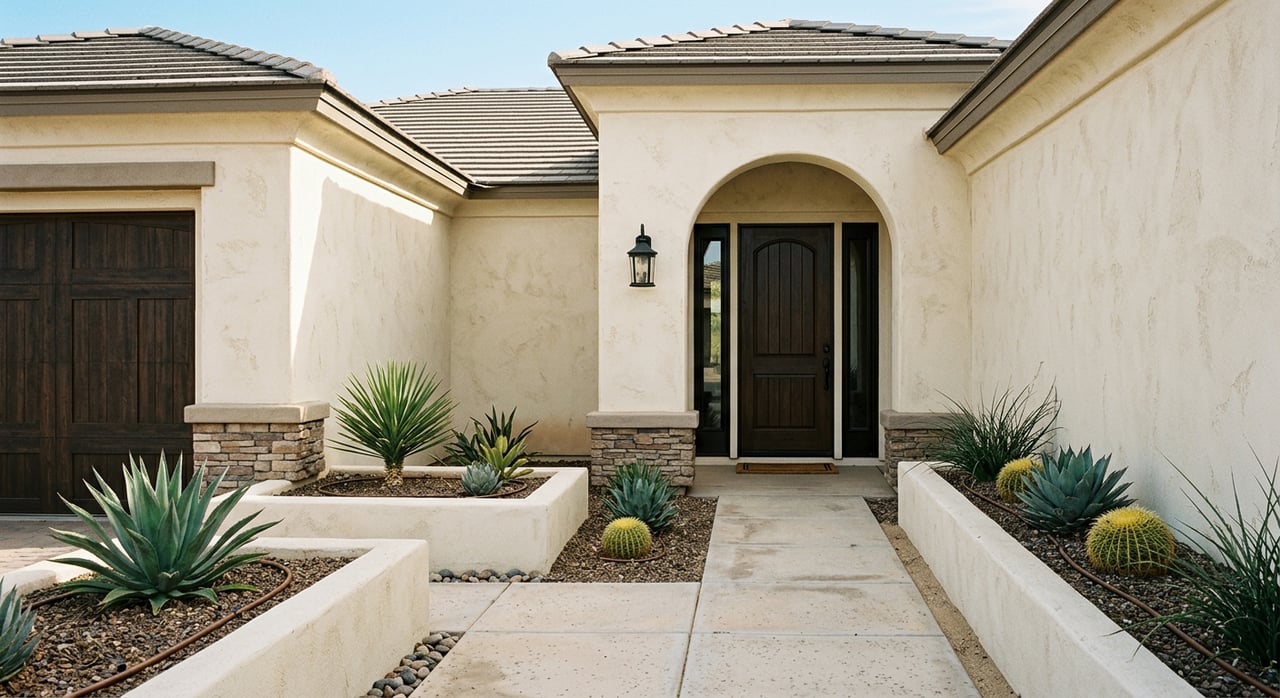
If you still want the privacy of a detached home, a smaller single-family property with simple landscaping can be a strong middle ground. In Mesa, low-maintenance living often goes hand in hand with low-water landscaping that is better suited to the desert climate.
The City of Mesa says converting grass to xeriscape can reduce landscape water use by half or more. The city describes xeriscape as common-sense landscaping for the Sonoran Desert. For many buyers, that means less mowing, less watering, and less weekend yard work.
That said, you still need to confirm what is allowed. Arizona Department of Real Estate consumer guidance warns that CC&Rs may restrict landscaping, RV parking, play equipment, and satellite antennas. If a low-upkeep yard is part of your plan, make sure both the home and the community rules support it.
What low-maintenance really means
A low-maintenance home does not always mean a low-cost home. In many cases, you are trading direct upkeep for monthly dues, shared rules, and community financial health.
That trade can still be well worth it. The key is making sure the value lines up with your lifestyle. If you travel often, want fewer home tasks, or are downsizing from a larger property, paying for shared maintenance may feel like a smart exchange.
A good comparison starts with a simple question: what do you want to stop doing? If the answer is exterior painting, roof concerns, yard work, or managing irrigation, focus on homes and communities where those items are clearly addressed in writing.
How to evaluate HOA tradeoffs
Look past the monthly dues
One of the most common buyer questions is simple: what do the HOA dues actually include? That answer can vary widely from one Mesa community to another.
Arizona resale law makes HOA due diligence central in both condo and planned-community resales. The disclosure packet includes governing documents, assessment balances, reserve funds, recent financials, reserve studies if any, pending lawsuits, and information about whether association insurance covers part of the unit.
Instead of judging dues as high or low on their own, compare them against what the HOA maintains. Exterior maintenance, roof coverage, common-area upkeep, insurance details, and amenity maintenance can all change the value of those dues.
Review reserves and litigation carefully
A community can look polished on the surface while still carrying financial risks. That is why reserve funds, annual financials, and pending litigation matter so much.
Strong reserves may suggest a community is planning for future repair and replacement costs. Pending litigation does not always mean a deal should stop, but it is a factor you should understand before moving forward. These details help you gauge whether the community’s financial picture fits your comfort level.
Arizona law also includes a buyer acknowledgment that the governing documents are a contract and that unpaid assessments can lead to foreclosure. That alone tells you how important it is to read the documents carefully and ask questions early.
Know the timing and fees
The logistics matter too, especially if you are coordinating a sale, move, or relocation timeline. Arizona law caps resale disclosure fees at an aggregate $400, with limited rush and update fees, and the delivery timing depends on whether the community has fewer than 50 units or 50 or more.
If you are trying to line up a clean transition, this timing can affect inspections, review periods, and closing plans. It is one more reason to identify the property type and association requirements as early as possible.
Mesa buyers should confirm these details early
Before you decide a home is truly low-maintenance, confirm the practical details in writing. A few early questions can save you time and reduce surprises later.
Here are some of the most important items to verify:
- Whether the property is legally a condominium or part of a planned community
- What the HOA dues cover and what they do not cover
- Whether association insurance covers part of the unit
- What exterior maintenance remains your responsibility
- Whether landscaping changes are limited by CC&Rs
- Whether there are reserve funds and a reserve study
- Whether the association is involved in pending litigation
- When the resale documents will be delivered
These answers help you compare homes more accurately. They also make it easier to match a property to your real lifestyle, not just your wish list.
Planning a smooth transition in Mesa
If you are downsizing or relocating, the right property is only part of the move. Timing matters just as much, especially when HOA documents, inspections, and closing deadlines all need to work together.
For new-construction subdivisions, the Arizona Department of Real Estate says the Public Report must be provided before the purchase contract is signed. That report covers utilities, common facilities, taxes and assessments, and HOA details. If you are considering a newly built low-maintenance option, this report is a key document.
For resale homes, ADRE advises buyers to read the seller disclosure and purchase contract carefully, watch inspection deadlines, consider termite and professional inspections, and confirm that water and irrigation operate properly. Even in a low-maintenance move, these basics still matter.
For many Mesa buyers, the smoothest transition comes from creating a plan before touring homes. That includes defining your maintenance goals, reviewing ownership structures, and building enough time for document review before closing.
Choosing the right fit for your lifestyle
The best low-maintenance living option in Mesa depends on what you want less of and what you are comfortable sharing. Some buyers want the simplicity of a condo. Others prefer the space of a townhome-style property or the privacy of a smaller detached home with desert-friendly landscaping.
There is no one-size-fits-all answer. What matters is understanding how the property is structured, what the rules allow, and how the costs line up with the convenience you want.
With the right guidance, you can narrow the field quickly and focus on homes that truly support a simpler way of living. If you are weighing low-maintenance options in Mesa, Theresa Krakauer can help you compare property types, review the tradeoffs, and build a personalized plan for your move.
FAQs
What are low-maintenance living options in Mesa?
- In Mesa, low-maintenance options often include condos, townhome-style attached homes, and smaller detached homes with simple, low-water landscaping.
What should Mesa buyers know about condo versus planned community rules?
- In Arizona, condos and planned communities follow different legal structures, so you should confirm which one a property falls under because maintenance responsibilities, disclosures, and assessments may differ.
What do HOA dues usually cover in a Mesa low-maintenance home?
- HOA dues can cover different items depending on the community, so you should review the resale packet to confirm what maintenance, insurance, and shared expenses are included.
What documents should Mesa buyers review for a condo resale?
- Arizona condo resale documents must include items such as the declaration, bylaws, rules, assessment information, insurance status, reserve amount, financials, pending litigation, and the reserve study if one exists.
Can HOA rules affect landscaping at a Mesa home?
- Yes. Arizona Department of Real Estate guidance says CC&Rs may restrict landscaping and other exterior features, so you should confirm the rules before planning changes.
How can xeriscaping support low-maintenance living in Mesa?
- The City of Mesa says converting grass to xeriscape can reduce landscape water use by half or more, which can also mean less routine yard maintenance.
What should Mesa buyers watch during a low-maintenance home purchase?
- Buyers should read seller disclosures and contracts carefully, track inspection deadlines, consider termite and professional inspections, and confirm that water and irrigation systems operate properly.