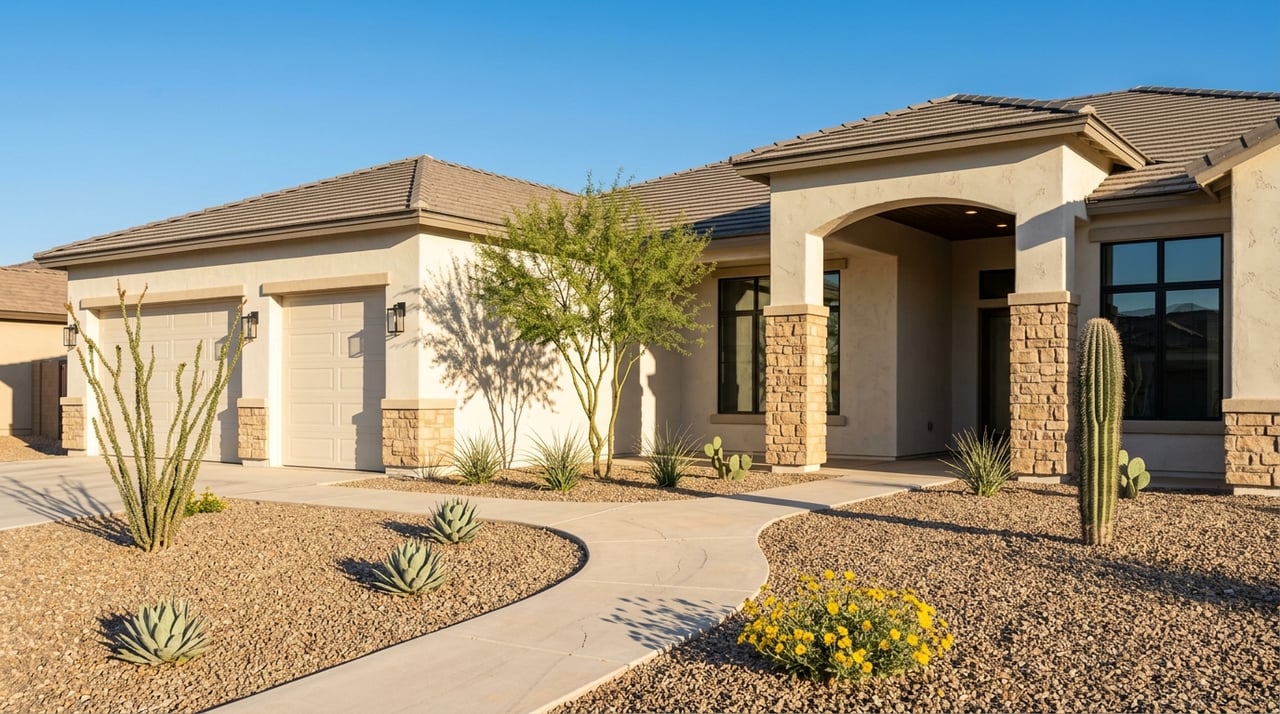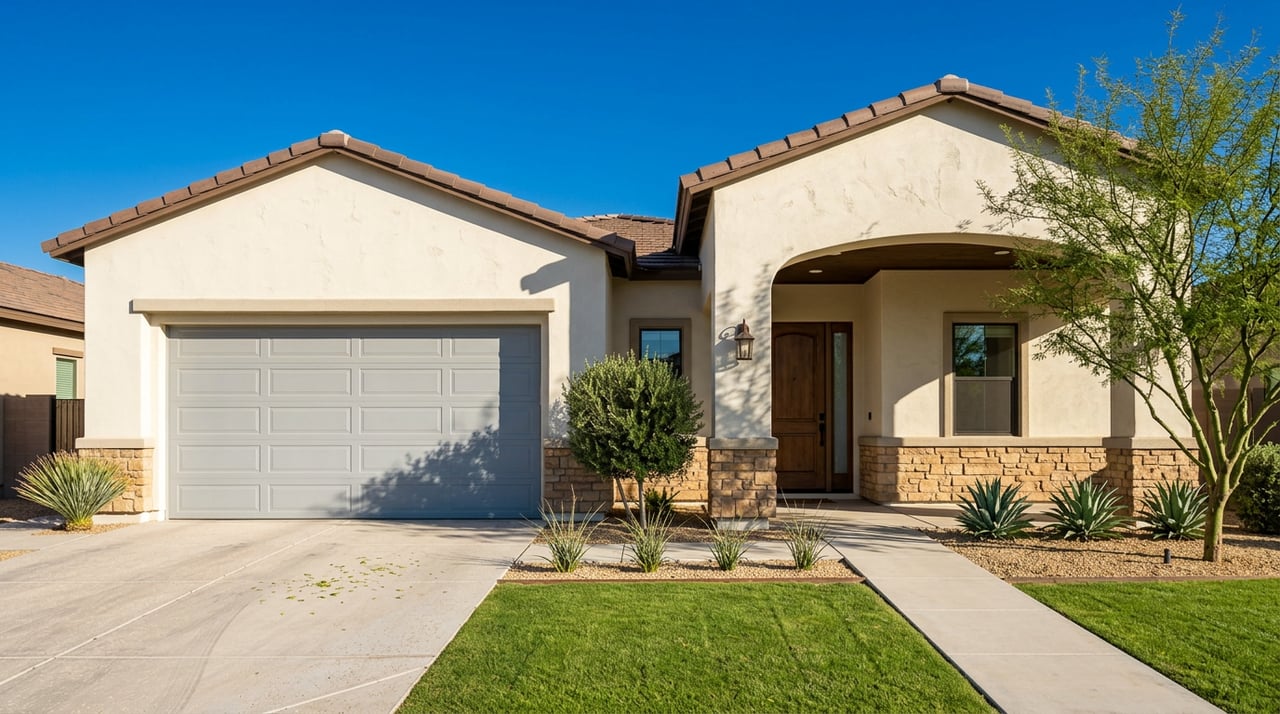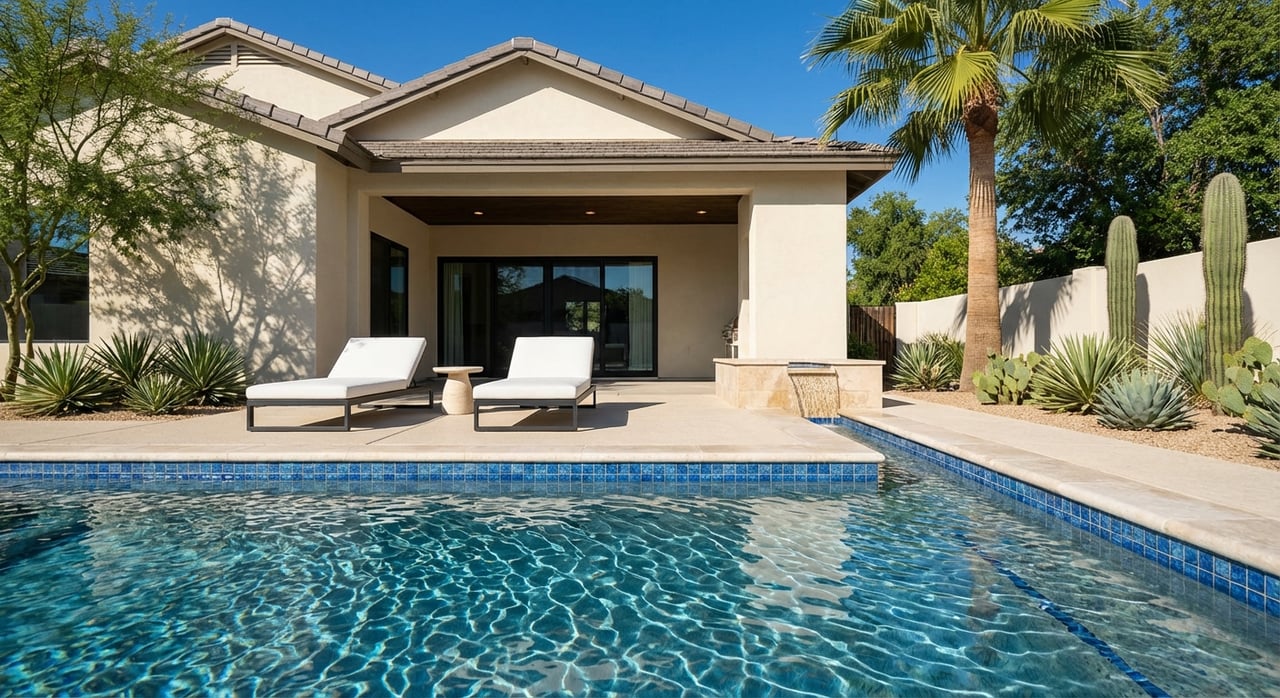
If you are trying to buy or sell in Scottsdale, one question matters more than almost anything else: which Scottsdale market are you actually in? This city does not move as one single market, and that can make broad advice feel confusing or even risky. The good news is that when you understand how Scottsdale behaves by price point, property type, and ZIP code, you can make sharper decisions on pricing, timing, negotiation, and contingencies. Let’s dive in.
Scottsdale Is Not One Market
A citywide headline can help, but it never tells the full story in Scottsdale. As of March 2026, the single-family market showed a median sales price of $1,299,999, 78 days on market, 96.7% of list price received, 1,843 homes for sale, and 5.5 months of supply, according to the latest Scottsdale market data.
The townhouse and condo segment was softer. That same report showed a median sales price of $535,000, 83 days on market, 97.0% of list price received, 1,213 homes for sale, and 7.1 months of supply. In simple terms, attached homes often offer buyers more options and a bit more room to negotiate.
Citywide data from Redfin’s Scottsdale housing market page adds even more context. In February 2026, Scottsdale had a $1.0M median sale price, 56 days on market, 30.5% of homes with price drops, and only 7.6% of homes selling above list price. That points to a market that is more measured than the fast-moving seller conditions many people still remember.
What That Means for Your Strategy
The biggest takeaway is simple: your strategy should be local and specific, not generic. A buyer shopping in Old Town or South Scottsdale may face very different conditions than a seller listing a luxury home in North Scottsdale.
This is especially important in a city where affordability has changed so much in a few years. Scottsdale’s 2025 Housing Needs Assessment says the 2024 median home value was $825,000 across all homes, $1,125,000 for single-family homes, and $617,000 for townhomes, with values up 46.5% to 48.6% since 2020. That helps explain why even the so-called entry level in Scottsdale still comes with a high price tag.
Entry-Level Scottsdale Strategy
For lower-priced Scottsdale homes, south and central areas often provide the clearest examples. In ZIP code 85251, Realtor.com reported a $621,950 median listing price, 566 active listings, 78 median days on market, and homes selling for 96% of asking price on average in March 2026, with a buyer’s market label.
Nearby 85257 looked a little different, with a $625K median sale price, 219 homes for sale, 56 median days on market, and homes selling 2.18% below asking on average. Lower-priced sections of 85254 fell into a more balanced range, with a $998,500 median listing price, 352 listings, and 55 days on market, based on the same Realtor.com local market data.
If You Are Buying Entry-Level
You may have more choices than you would in a hotter market. That means you can often be more selective about condition, layout, and location instead of feeling rushed into the first workable option.
You may also have a better chance of keeping standard protections in place. On homes that have been listed for several weeks, inspection, financing, and appraisal contingencies may be easier to preserve than they were during the peak frenzy.
If You Are Selling Entry-Level
Pricing discipline matters. Buyers in this segment tend to be very payment-sensitive, and homes that need work or feel overpriced can sit longer.
The upside is that well-prepared, well-located homes can still attract strong attention. If your home shows well and is priced according to recent sold data rather than hopeful list prices, you are more likely to protect momentum early.
Move-Up Scottsdale Strategy
Scottsdale’s move-up market is where conditions look the most balanced right now. ZIP code 85255 showed a $1,762,450 median listing price, 782 active listings, 52 days on market, 98% sale-to-list, and a balanced market classification.
That same source showed 85259 at a $1,500,000 median home price, 210 homes for sale, 55 days on market, and 97% sale-to-list. In 85266, the median listing price was $1,649,000, with 231 homes for sale, 75 days on market, and 98% sale-to-list, also labeled balanced.
This is where citywide averages can really mislead you. Realtor.com’s Scottsdale data showed major variation by area, with North Scottsdale at $1.499M, Central Scottsdale at $1.197M, South Scottsdale at $875K, Indian Bend at $665K, and Old Town at $595K. The differences are substantial, even within the same city.
If You Are Buying Move-Up
You may be able to negotiate, but you should not assume every seller is desperate. Balanced markets tend to reward buyers who write clean, informed offers instead of low offers based on guesswork.
In this segment, recent comparable sales, property condition, and micro-location matter a lot. A home that is updated and correctly priced may still trade close to list, while a stale listing may offer room on price, credits, repairs, or timing.
If You Are Selling Move-Up
This is the segment where market-aligned pricing matters most. If you launch too high, buyers have enough inventory to move on, and your listing can quickly lose freshness.
If you launch at the right number and present the home well, you still have a strong chance of selling near list price. In today’s market, strategy is less about chasing the top and more about creating enough value and confidence for buyers to act.
Luxury Scottsdale Strategy
Luxury Scottsdale follows its own rules. In 85262, Realtor.com reported a $2,295,000 median home price, 544 homes for sale, 86 days on market, 96% sale-to-list, and a buyer’s market classification.
At the neighborhood level, the range gets even wider. Realtor.com listed Desert Mountain at $3.295M, Boulders at $1.495M, DC Ranch at $3.5M, and Silverleaf at $6.895M. That spread shows why luxury strategy has to be custom to the home, not just the ZIP code.
The Institute for Luxury Home Marketing reported that in February 2026, Scottsdale luxury single-family homes had a $2.4M median list price, $1.875M median sold price, 45 days on market, and a 20.1% sales ratio, which it classified as balanced. Attached luxury homes were also balanced, with a $966,944 median list price, $947,500 median sold price, 44 days on market, and a 16.2% sales ratio.
If You Are Buying Luxury
You may have negotiating room, but value is about more than price per square foot. Lot placement, views, privacy, architecture, finish level, and overall lifestyle fit often drive decisions in this tier.
Luxury buyers also tend to move differently from buyers in lower price bands. The same luxury report notes that affluent buyers are often less sensitive to interest-rate changes, and a meaningful share of purchases are completed in cash.
If You Are Selling Luxury
Luxury does not mean instant demand. Even in Scottsdale’s most recognized upper-tier areas, many homes need a longer marketing window and more refined positioning to reach the right buyer.
This is where presentation and storytelling can have a major impact. Elevated visuals, intentional pricing, and targeted exposure are often just as important as the home itself because buyers are comparing your property against highly specific alternatives.
Pricing Matters More Than Optimism
One of the clearest signals in Scottsdale right now is that overpricing can cost you time. According to Redfin’s Scottsdale data, 30.5% of homes had price drops in February 2026, while only 7.6% sold above list price.
That tells you list price is not the same as market value. Whether you are buying or selling, the strongest strategy starts with recent closed sales, current competition, and how long comparable homes are taking to move.
For sellers, this means the first price matters more than ever. For buyers, it means the asking price should be treated as the opening point for analysis, not proof of what a home is worth.
Negotiation Is Back, But It Varies
Scottsdale is more negotiable than it was during the peak seller-market years, but the amount of leverage changes by segment. Entry-level and attached homes often offer more flexibility, especially when listings have been sitting.
Move-up homes tend to offer a middle ground. Sellers may negotiate on closing costs, repair items, or timing, but well-positioned homes can still command strong terms.
Luxury negotiation is often more nuanced. The issue may not be whether there is room to negotiate, but where the seller is willing to adjust, whether on price, improvements, furnishings, timing, or contract structure.
Contingencies Require a Local Approach
In a market like this, blanket advice can backfire. The data suggest many buyers can preserve normal contingencies more often than in a true bidding-war environment, especially in entry-level and balanced mid-market segments.
That said, every listing has its own context. A newly listed, turnkey home in a desirable pocket may still attract stronger terms than a similar home that has been on the market for two months.
For sellers, the lesson is to expect more buyer diligence. For buyers, the lesson is to negotiate from facts and current market time, not from outdated assumptions about Scottsdale being either red hot or deeply soft.
The Best Scottsdale Strategy Is Specific
If you remember one thing, make it this: Scottsdale contains multiple markets inside one city. Some areas are clearly more buyer-friendly, some are balanced, and some still reward sharp, competitive action.
That is why your strategy should match your exact segment, property type, timeline, and goals. Whether you are preparing to list a luxury home, relocate into Scottsdale, or buy your first property here, the best outcomes usually come from reading the micro-market correctly before you make your move.
If you want a personalized plan based on your price point, neighborhood, and timing, connect with Theresa Krakauer. With decades of Scottsdale market experience, hands-on guidance, and tailored strategy, she can help you move forward with clarity and confidence.
FAQs
Is Scottsdale a buyer’s market or seller’s market in 2026?
- It depends on the ZIP code and price range. Current data shows 85251 and 85262 leaning buyer-friendly, 85257 labeled as a seller’s market, and areas like 85254, 85255, 85259, and 85266 appearing more balanced.
How long does it take to sell a home in Scottsdale right now?
- Current timelines vary by segment and location. Citywide, March 2026 data showed about 78 days on market for single-family homes and 83 days for townhomes and condos, with some ZIP codes moving faster and others taking longer.
What should Scottsdale buyers focus on when making an offer?
- You should focus on recent comparable sales, how long the home has been listed, property condition, and the specific submarket. In many Scottsdale segments, buyers can often keep standard contingencies and negotiate more than they could in a peak seller market.
What should Scottsdale sellers focus on before listing?
- You should focus on accurate launch pricing, presentation, and current competition. With more inventory and more price reductions in the market, overpricing can lead to longer days on market and weaker momentum.
How is the Scottsdale luxury market different from the rest of the city?
- Luxury homes often require more tailored pricing, longer marketing windows, and stronger presentation. Buyers in this tier tend to evaluate privacy, views, lot quality, architecture, and finish level as much as the price itself.