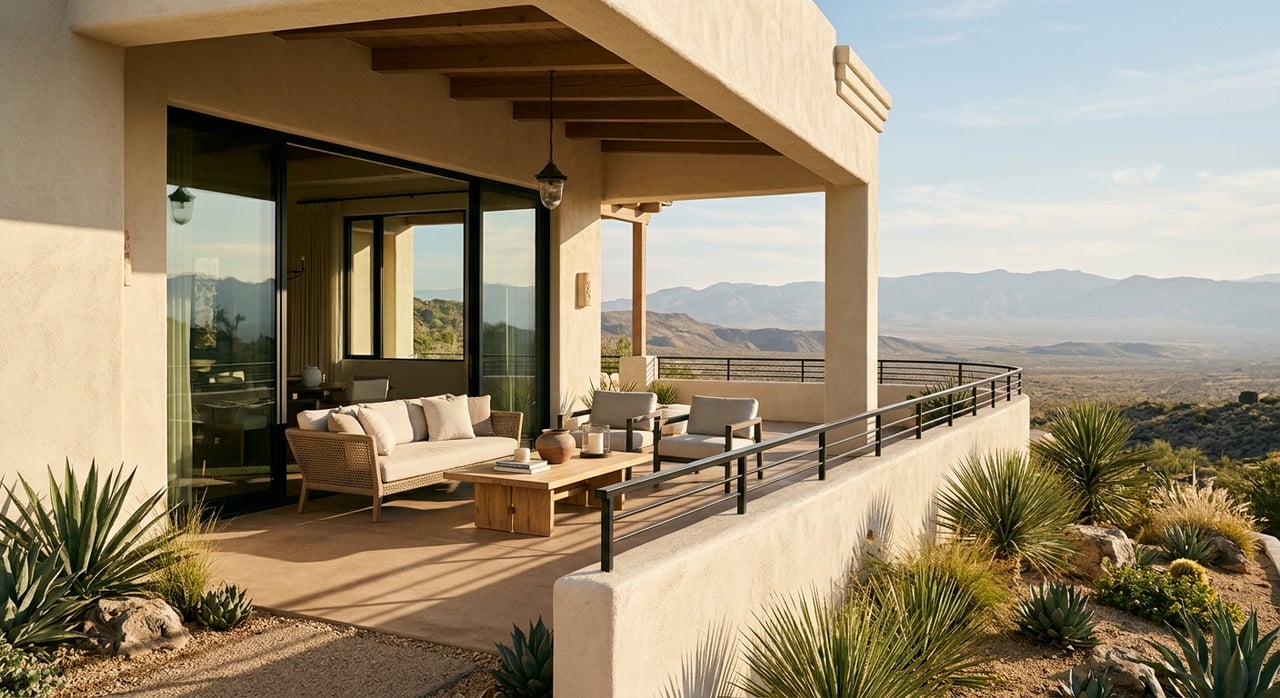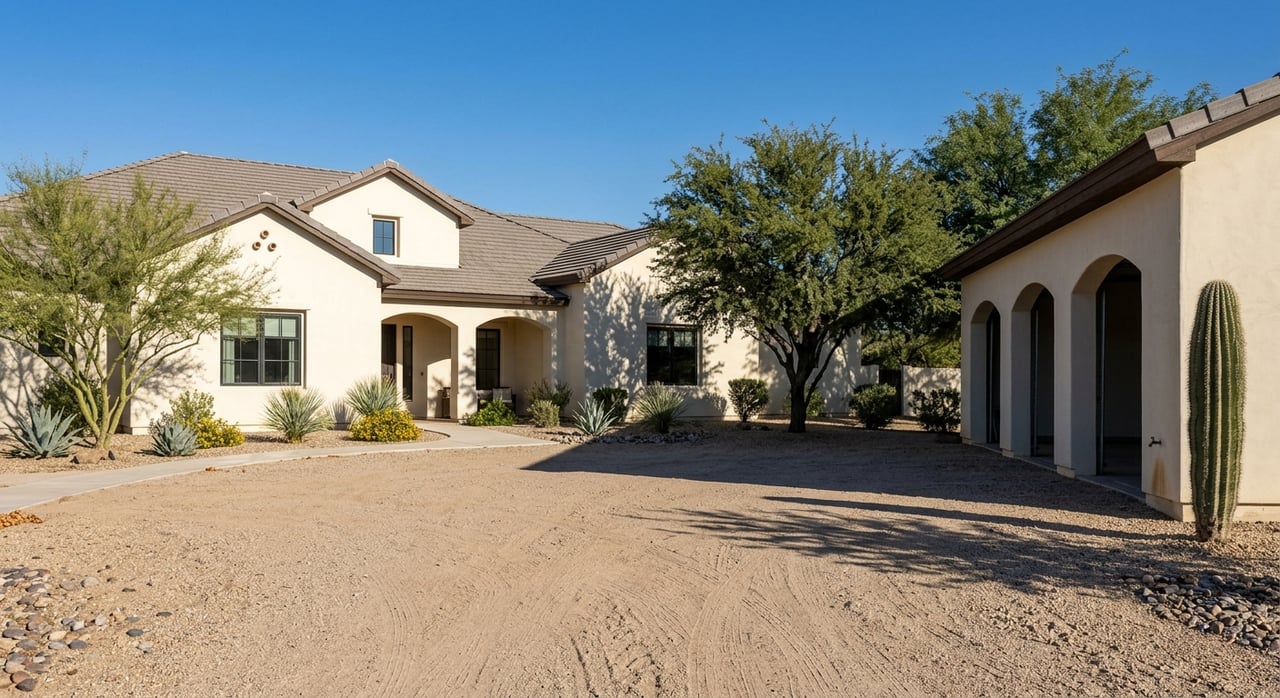
If you picture horse property in the desert as wide views, trail access, and room to spread out, Cave Creek likely checks a lot of boxes. But buying desert acreage here is not just about finding a large parcel with a barn or corral. You also need to confirm zoning, utilities, access, and what you can actually do with the land. Let’s dive in.
Why Cave Creek attracts acreage buyers
Cave Creek stands out for buyers who want open space and a more rural desert setting within Maricopa County. The town highlights its desert character, preserved open space, and a trail network that connects neighborhoods to Cave Creek Regional Park, Spur Cross Ranch Conservation Area, the Tonto National Forest, the Maricopa Trail, and Desert Foothills Land Trust properties.
That trail access matters if you want a property that supports an equestrian lifestyle. Town trails are used for hiking, biking, and horseback riding, and the town notes that horses have the right-of-way on its trails. Maricopa County also welcomes equestrians at Cave Creek Regional Park and Spur Cross Ranch Conservation Area, with horse staging areas at both parks.
For many buyers, that combination of desert acreage plus horse access is the big draw. Cave Creek Regional Park offers more than 11 miles of trails, and Spur Cross offers more than 12 miles. That makes the day-to-day experience of living here feel tied to the land, not just the house.
Why a Cave Creek address is not enough
One of the biggest mistakes buyers can make is assuming a Cave Creek mailing address means Cave Creek rules apply. The town says the 85331 ZIP code includes properties in Cave Creek, Carefree, Phoenix, Scottsdale, and unincorporated Maricopa County.
That means a home marketed as being in Cave Creek may not actually fall under Cave Creek zoning or town services. Before you fall in love with a property, it is important to confirm whether it is inside town limits and which jurisdiction controls zoning, utilities, and permits.
This step can affect almost everything that follows, from horse use to building plans. If you are buying for a specific lifestyle or long-term plan, jurisdiction is one of the first things to verify.
How zoning shapes horse property use
In Cave Creek, zoning is what turns a parcel from simply “large” into potentially horse-friendly. Much of the acreage-oriented housing stock is in Desert Rural, or DR, zoning.
The town says DR zoning is intended to protect scenic vistas, natural habitats, hillsides, and washes. Minimum lot sizes in DR vary by subdistrict, ranging from 43,000 to 190,000 square feet, and the code allows one principal dwelling unit per lot of record.
For horse buyers, the most important rule is the two contiguous acre threshold. The zoning code allows private ranch uses on sites with at least two contiguous acres under single ownership, including boarding, breeding, equine training, equine lessons, and the sale of ranch animals.
That means not every parcel that looks like horse property will support the same uses. A listing may have room for horses in a general sense, but if your plan includes lessons, training, or other ranch-related activity, you need to confirm the parcel meets the zoning requirements.
Structures also need review
Barns, corrals, horse shades, detached accessory living quarters, and other private ranch uses incidental to the main residence are restricted to DR zones. Even in DR, those structures are not automatically approved.
The town says accessory buildings and uses often require a zoning clearance and building permit. If you are buying a property with existing equestrian improvements, or hoping to add them later, that review process matters.
What acreage does not always mean
A larger lot can create flexibility, but it does not mean every square foot is equally usable. In DR zoning, parcels must include a 12-foot Native Habitat Corridor measured inward from all property lines.
Land outside the allowed disturbance area must remain in a natural state except for limited exceptions such as driveway access, utility lines, and public pedestrian or equestrian trails. In practical terms, you may own a sizable parcel but still have limits on where you can clear, build, fence, or expand improvements.
This is one reason raw acreage numbers can be misleading. When you compare properties, it helps to think in terms of both parcel size and functional use area.
Setbacks and site rules matter
Visible site rules can also shape how a horse property functions. In DR zones, fences, including corral fences, must be set back at least 12 feet from property lines.
Swimming pools also need a 12-foot setback from property lines, and outdoor lighting is regulated to reduce glare and support Cave Creek’s dark-sky character. If you are planning corrals, arenas, gates, lighting, or outdoor living areas, these details can affect layout more than you might expect.
What to verify before you buy
Buying desert acreage calls for more due diligence than a typical suburban home purchase. Cave Creek recommends that buyers check zoning, recorded documents, and parcel-specific details before closing.
A smart review often includes these basics:
- Confirm whether the property is actually within Cave Creek town limits
- Verify zoning and allowed uses for the parcel
- Review recorded documents for easements, CC&Rs, and deed restrictions
- Check whether private restrictions are more limiting than town zoning
- Confirm boundary information through a recorded survey or licensed land surveyor
The town notes that it does not keep records of private access easements. Those are maintained by the Maricopa County Recorder. The town also states that CC&Rs and deed restrictions are private contracts and can be more restrictive than local zoning.
Water, sewer, wells, and septic
Utilities are one of the most important parts of desert acreage due diligence. Cave Creek says its utilities department manages the town drinking water supply and sanitary sewer system, but sewer service is not available to all areas.
The town also notes that water rates may be higher than in other areas. That may not be a deal breaker, but it is something buyers should factor into ownership costs, especially on larger properties with outdoor water use.
If a property is not served by town water, well rules come into play. The Arizona Department of Water Resources regulates wells, and for domestic use on parcels of five or fewer acres, the applicable county or local health authority must review the well application before it is submitted.
For wastewater, Maricopa County Environmental Services handles septic permit review and approval. If you are buying a horse-friendly home on acreage, utility setup is not a side detail. It is a core part of whether the property fits your budget and plans.
Access can make or break a rural parcel
Access is easy to overlook until it becomes a problem. Cave Creek says many properties rely on private roads that the town does not maintain.
The town also warns that roads, trails, and washes may become impassable during extreme weather. On a rural or horse-focused parcel, that can affect daily convenience, trailer movement, service access, and peace of mind.
The town further notes that motorized vehicles are prohibited on trails and in washes. That is one more reason to study legal access, road condition, and seasonal drivability before you commit.
Think ahead about future changes
Some buyers shop for acreage with a long-term vision. You may be thinking about a guest space, expanded equestrian facilities, or a future lot split.
Cave Creek’s General Plan says future rezonings must conform to the plan, and the planning department notes that rezonings, subdivisions, and lot splits have formal procedures. If future changes are part of your strategy, it is wise to investigate them early rather than assume flexibility later.
What ownership feels like day to day
Owning desert acreage in Cave Creek comes with a distinct rhythm. The setting is beautiful, but it also requires ongoing attention to the land, structures, and seasonal conditions.
The town says the entire community is in an urban and wildfire interface zone. It offers a free defensible-space evaluation for homes and properties, which is especially relevant when you have a house, barn, fencing, gates, tanks, and outbuildings spread across a larger site.
Fire prevention is part of routine upkeep
Cave Creek’s defensible-space guidance breaks wildfire preparation into zones around structures, beginning with a 5-foot immediate zone and extending through 30 feet and beyond. For acreage owners, the key point is that the most critical maintenance still centers on the areas closest to structures.
The town also stresses clearing dead plant material, keeping roofs and gutters clean, and being careful with construction or spark-producing work. Invasive plants can increase wildfire risk, so routine upkeep is part of responsible ownership in the desert.
Wildlife and services are part of the picture
The town also warns that wildlife can be a nuisance or a danger. That is part of life in a Sonoran Desert community and one more reason to evaluate a property with both lifestyle and maintenance in mind.
Water management is another daily consideration. Cave Creek’s utilities department offers a consumer water portal that lets owners monitor usage, manage multiple meters, and set leak alerts, which can be helpful for vacant homes, horse properties, or parcels with higher outdoor water demand.
The town also states that it does not provide municipal trash collection, so owners must arrange private service or use county disposal options. Small details like these can shape your ownership experience more than first-time acreage buyers expect.
A practical buying approach for Cave Creek acreage
If you are drawn to Cave Creek for desert space and horse-friendly living, the opportunity is real. So is the need for careful property-level review.
The right home is not just about views, fencing, or a certain number of acres. It is about whether the parcel’s zoning, access, utilities, and restrictions support how you want to live from day one and over time.
That is where experienced, hands-on guidance can make a real difference. If you are considering acreage or horse-friendly homes in Cave Creek, request a personalized market consultation and tailored plan with Theresa Krakauer.
FAQs
What makes Cave Creek appealing for horse-friendly homes?
- Cave Creek offers desert open space, multi-use trails, horseback-riding access, and connections to regional destinations like Cave Creek Regional Park and Spur Cross Ranch Conservation Area.
Does a Cave Creek ZIP code mean Cave Creek zoning applies?
- No. The town says the 85331 ZIP code includes properties in multiple jurisdictions, so you should verify whether a property is actually inside Cave Creek town limits.
What zoning should you check for Cave Creek horse property?
- Many acreage properties are in Desert Rural zoning, and horse-related private ranch uses are tied to DR zoning and at least two contiguous acres under single ownership.
Can you add barns or corrals to a Cave Creek acreage home?
- In DR zones, structures like barns, corrals, and horse shades may be allowed, but the town says zoning clearance and building permits are required in many cases.
What utility items should you verify on Cave Creek desert acreage?
- You should confirm whether the property has town water and sewer service, or whether wells and septic will be part of the property setup.
Why is access important for Cave Creek acreage buyers?
- The town says many properties use private roads that it does not maintain, and some roads, trails, and washes may become impassable during extreme weather.
What land-use limits should you review on a Cave Creek acreage parcel?
- You should review setback rules, the Native Habitat Corridor, disturbance limits, and any recorded easements, CC&Rs, or deed restrictions that may further limit use.