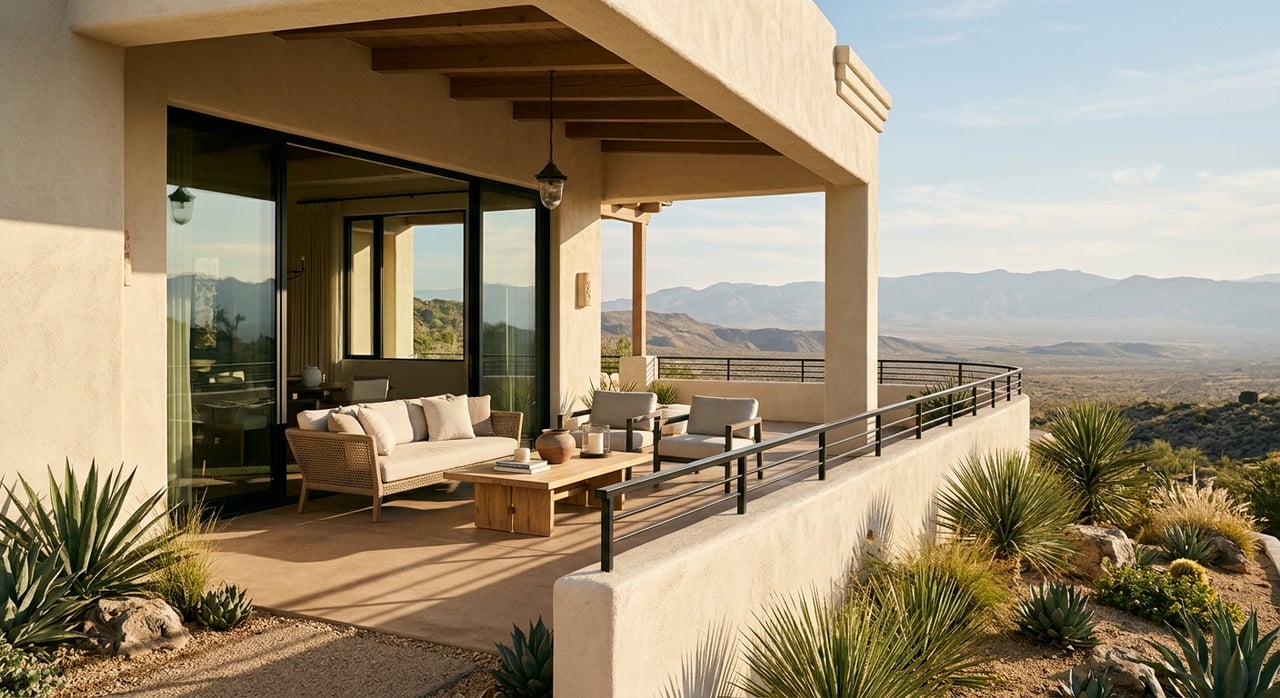
If you picture desert living as all backdrop and no rhythm, Fountain Hills may surprise you. In 85268, the views are not just something you admire from the patio. They shape how you start the morning, where you spend free time, and what daily life feels like from one season to the next. If you are considering a move here, it helps to understand how the landscape, town layout, and housing mix come together. Let’s take a closer look.
Why Fountain Hills Feels So View-Oriented
Fountain Hills sits on the northeast edge of Greater Phoenix in a compact, master-planned setting shaped by elevation and terrain. Town materials describe a 24-square-mile community where elevation rises from about 1,520 feet near the fountain to about 3,000 feet along Golden Eagle Boulevard. That change in elevation helps create the hillsides, ridgelines, and open desert sightlines that define so many homes here.
In practical terms, views in Fountain Hills are woven into the town itself. Rather than relying on tall buildings or dense development patterns, the area leans on natural topography and open space. That gives many streets, lots, and outdoor areas a stronger connection to surrounding desert scenery.
The town also places a clear focus on natural beauty and outdoor living. Local materials highlight hiking, biking, golf, and boating as major parts of the lifestyle, and Fountain Hills is recognized as an International Dark Sky Community. That means daytime views matter here, but evening skies are also part of the everyday appeal.
What Everyday Life Looks Like
Mornings Often Start Outdoors
For many residents, daily life can begin with a walk, trail outing, or quiet time at the park. Fountain Park anchors the town center with 64 acres of passive recreation space and a 29-acre lake. The fountain runs for 15 minutes every hour from 9 a.m. to 9 p.m., which gives the center of town a steady daily rhythm.
That regular activity helps make the area feel active without feeling rushed. You can build simple routines around it, whether that means a loop around the lake, coffee nearby, or an early stop at the park before the day gets busy. In a community known for scenery, even basic errands can come with a view.
Trails Are Part of Daily Living
Fountain Hills stands out because access to outdoor space is not an occasional bonus. The Golden Eagle Trailhead and Adero Canyon Trailhead connect directly to the McDowell Mountain Preserve, and the town notes that many trails sit adjacent to homes and communities. For buyers who want an outdoor lifestyle close to home, that can be a meaningful part of the decision.
This setup gives the town a more integrated feel than many flatter Valley communities. Instead of driving across town to find open space, you may be living near it already. That changes the pace of everyday life in a simple but important way.
The Town Center Adds Energy
Views may be a big draw, but Fountain Hills is not just about looking outward. The town center adds community life through local events, programming, and dining. Town materials note year-round events that include art and wine festivals, live music, and cultural celebrations.
The Fountain Hills Community Center also offers a wide mix of programs, including classes, presentations, exercise, travel opportunities, discussion groups, line dancing, and Spanish classes. Experience Fountain Hills lists more than 60 eating establishments in town, many locally owned. That gives residents a small-town social hub to pair with the natural setting.
Public Art Shapes the Feel
Another everyday feature is public art. The town says Fountain Hills has more than 150 public art pieces, and the Art Walk is part of the community identity. That adds visual interest beyond the desert landscape and helps the town center feel curated rather than generic.
For you as a buyer, that can translate into a lifestyle that feels both scenic and connected. Fountain Hills offers space to breathe, but it also offers places to gather. That balance is a big part of why the community feels distinct.
What View Homes Usually Look Like
Fountain Hills has a housing profile that supports its reputation as a more established residential community. Census QuickFacts show an owner-occupied housing rate of 84.4%, with a median owner-occupied home value of $622,900 and an average household size of 2.13 persons. Those numbers point to a town with a strong full-time resident base rather than a purely seasonal feel.
The same Census data show an older population profile, with 40.7% of residents age 65 or older and 12.0% under age 18. That does not define every buyer or household, but it does help explain why Fountain Hills often feels settled and residential. For some buyers, that sense of stability is part of the appeal.
Single-Family Homes Lead the Mix
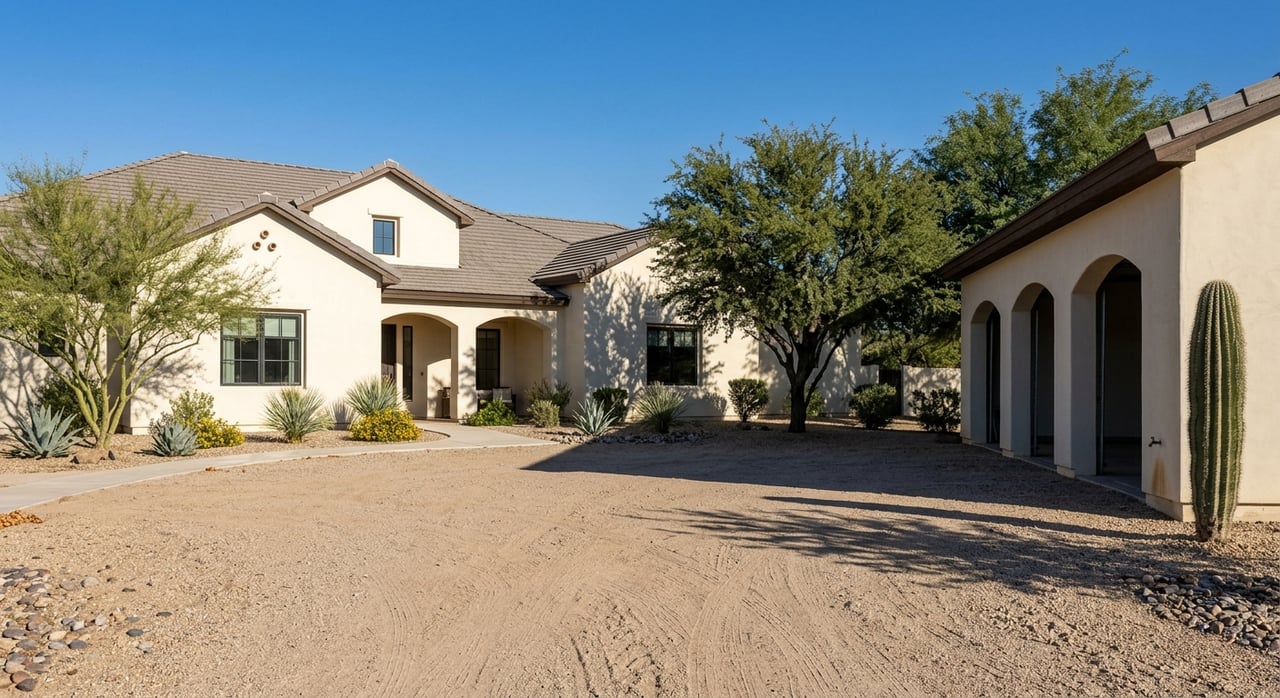
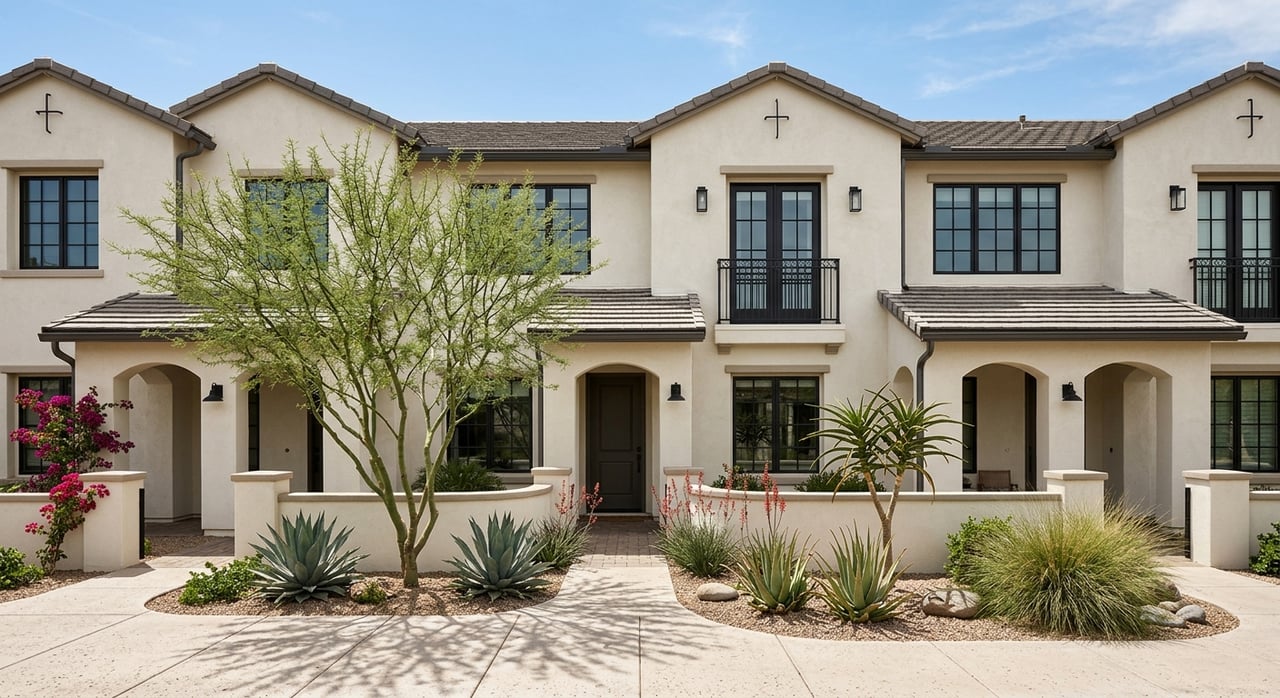
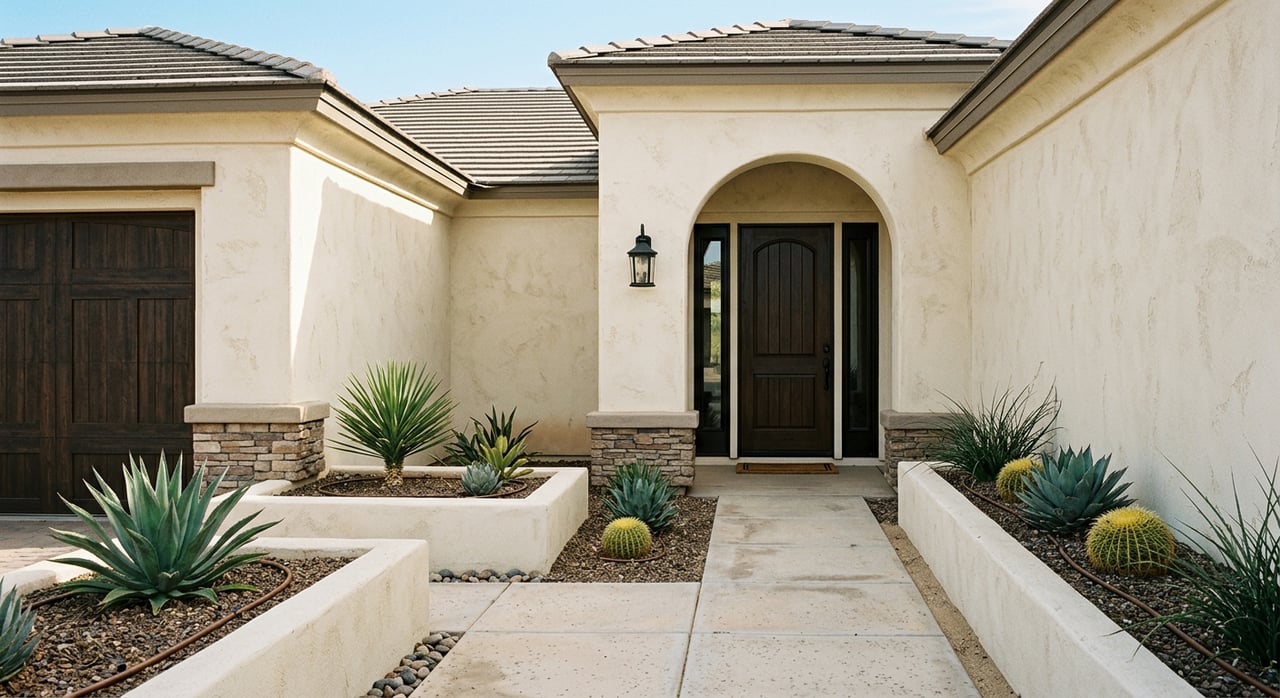
According to the town’s 2026 land-use assumptions report, the housing mix is 81.0% single-family and 19.0% multi-family. Recent permits have averaged 76 single-family units and 55 multi-family units per year. The town also describes the housing stock as ranging from small condominium complexes to large custom homes.
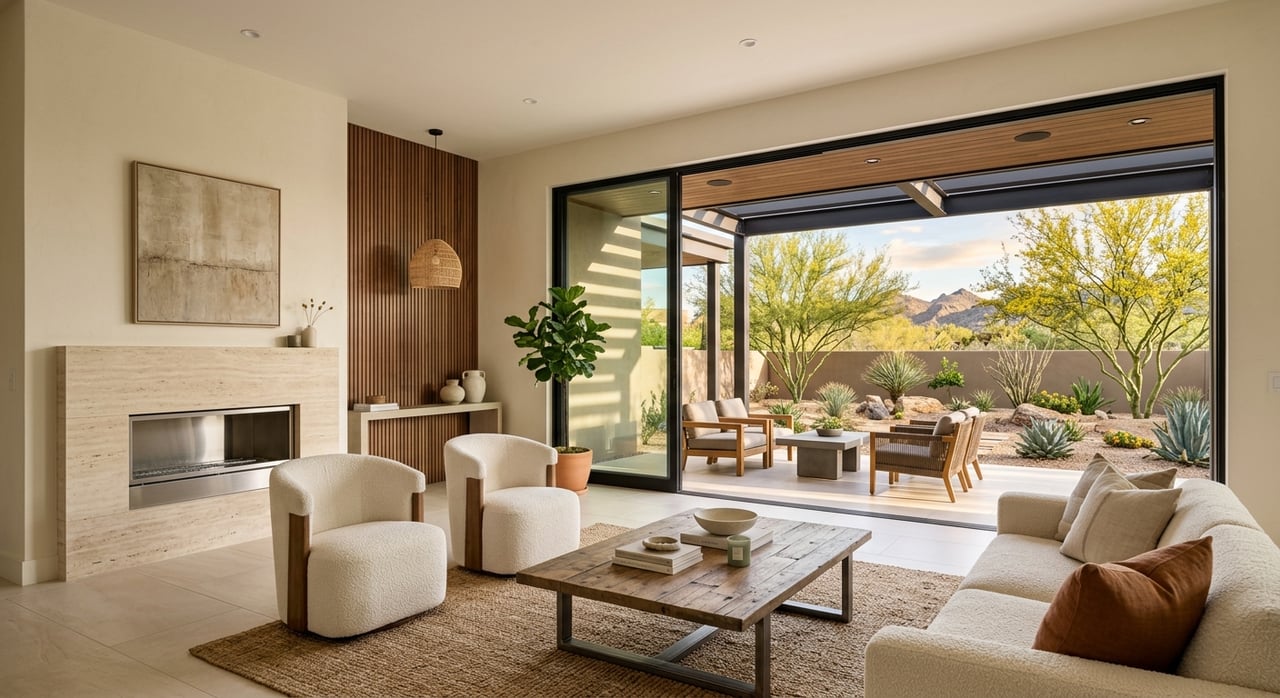
If your goal is a home that fully captures views, single-family properties on higher ground often stand out most. That is especially true where the lot works with natural slope and elevation. In Fountain Hills, view value is often tied closely to terrain rather than just square footage.
Hillside Lots Come With Character
The town’s planning framework includes architectural review standards and hillside zoning categories such as R1-35H. While buyers often focus first on the view itself, the lot can matter just as much. A terrain-sensitive property may offer stronger sightlines, but it can also shape driveway design, outdoor living layout, and the way the home sits on the land.
That does not make hillside homes harder to love. In fact, it is often the opposite. These properties can feel more tailored to the desert setting, with architecture that responds to grade changes and open-space orientation.
The Tradeoffs Buyers Should Understand
Every market has tradeoffs, and Fountain Hills is no exception. The same features that create more scenery and a calmer feel can also mean a less central location compared with some other parts of the Phoenix metro. If you are comparing areas, it is helpful to weigh that balance clearly.
The town’s community profile lists approximate drive times of 15 minutes to Scottsdale and 28 minutes to Phoenix Sky Harbor Airport. The U.S. Census estimates the mean travel time to work at 28.6 minutes. For many buyers, that keeps Fountain Hills connected enough for daily life while still feeling separate from the busiest parts of the Valley.
Lower Density Changes the Pace
Density is one of the clearest differences. Census data show Fountain Hills at 1,174.4 people per square mile across 20.28 square miles. Phoenix, by comparison, is listed at 3,104.5 people per square mile across 518.0 square miles.
The town’s land-use analysis also points to low density as a reason residents can dine, play, and commute without as much congestion. If you want a more residential pace, that can be a meaningful advantage. If you want to be in the middle of a larger urban core, it may feel less central.
The Payoff Is Lifestyle
For many buyers, the tradeoff is straightforward. Fountain Hills offers more open-space access, stronger desert scenery, and a daily routine shaped by topography and outdoor amenities. In exchange, you get a town that feels more tucked away than some flatter, denser Valley locations.
That tradeoff is often exactly the point. People who choose Fountain Hills are often choosing a setting that feels intentional, scenic, and grounded in the landscape. Here, the view is not an extra. It is part of how the town lives.
Who Fountain Hills Appeals To
Fountain Hills can appeal to several types of buyers, especially those who want a home that supports an outdoor, view-conscious lifestyle. If you are relocating, downsizing, or looking for a full-time residence with a calmer daily feel, the area may be worth a closer look. The owner-occupied profile and established residential character give it a different energy than more densely built parts of Greater Phoenix.
It can also appeal to buyers who care about how a home feels beyond the walls. Proximity to trails, time at the park, evening skies, public art, and access to local dining all add up. In Fountain Hills, lifestyle is often built from those small daily details.
Why Local Guidance Matters Here
Because Fountain Hills is so shaped by slope, elevation, and lot placement, two homes at similar price points can offer very different living experiences. One property may feel closely connected to town amenities, while another may prioritize hillside privacy or wider desert outlooks. Understanding those differences takes more than a quick online search.
If you are exploring Fountain Hills, it helps to work with someone who can guide you through how location, topography, and housing type affect daily life and long-term value. That is especially important in a market where the setting is such a large part of the purchase decision.
If you are considering Fountain Hills and want a thoughtful, personalized approach to the search, connect with Theresa Krakauer for tailored guidance on homes, lifestyle fit, and market strategy.
FAQs
What is everyday life like in Fountain Hills, AZ 85268?
- Everyday life in Fountain Hills often centers on outdoor routines, scenic views, local events, dining, trail access, and time around Fountain Park and the town center.
What makes view homes in Fountain Hills different from other Phoenix-area homes?
- View homes in Fountain Hills are often shaped by elevation, hillsides, ridgelines, and open desert sightlines, rather than flatter lot patterns common in many other parts of the Valley.
Are there many single-family homes in Fountain Hills, Arizona?
- Yes. The town’s 2026 land-use assumptions report shows a housing mix of 81.0% single-family and 19.0% multi-family.
Is Fountain Hills more residential than urban?
- Yes. Local and Census data support a lower-density, more residential feel with strong owner occupancy, open-space access, and a calmer pace than denser parts of Greater Phoenix.
How close is Fountain Hills to Scottsdale and Phoenix Sky Harbor Airport?
- The town’s community profile lists approximate drive times of 15 minutes to Scottsdale and 28 minutes to Phoenix Sky Harbor Airport.